Lifetime Citizen Portal Access — AI Briefings, Alerts & Unlimited Follows
Researching Sunnyside: historian outlines named enslaved families and records gaps
Loading...
Summary
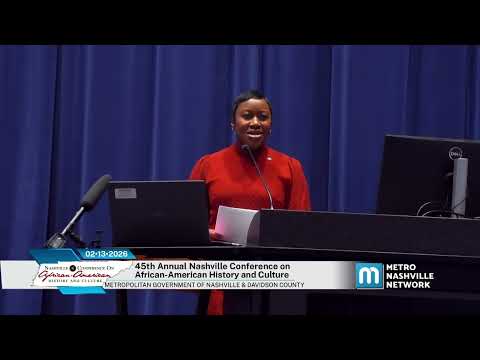
Dr. Tara Mitchell Mielnick presented archival research on the Sunnyside property in Nashville, reading names from Jesse Bentons 1843 will and property transfers and discussing discrepancies with census counts and later family records.
Dr. Tara Mitchell Mielnick presented new-and-continuing research into the families enslaved at Sunnyside in Nashville, using wills, property transfers and census records to reconstruct family relationships and life trajectories.
Mielnick read names recorded in Jesse Bentons 1843 will and described Thomas Hart Bentons 1853 property transfer that listed enslaved people by name. "The 1843 will lists 20 people by name," she said, and she described named families—Horatio and Charlotte Benton, Julius and Kitty Martin—and their documented movements in federal and local records. She called attention to discrepancies in counts: the 1850 federal census lists only 13 enslaved people for the Benton-Douglass household while the 1853 transfer lists more, and the 1860 census shows 20, closer to the transfer total.
Mielnick noted that two men listed in Benton records, Horatio Benton and Mitchell Benton, appear in Fort Negley records as impressed laborers used to build Union fortifications. She described subsequent records (marriage, chancery suits, asylum listings and death records) that help trace some individuals later lives and recommended public collaboration to connect payroll and cemetery data to living descendants.
She emphasized both the limits and the value of the record: fragments and name variants complicate lineage research, but payrolls, cemetery entries, and local obituaries can piece together narratives that restore family identities. The presentation concluded with an open invitation for family members and interested community members to share leads with the Metro Historical Commission and researchers.