Get Full Government Meeting Transcripts, Videos, & Alerts Forever!
Get email alerts on the State School Aid topic
No spam. Unsubscribe anytime.
Board members urge state lawmakers to fix school-aid changes they say will hurt staff, programs
Summary
At a July 1 workshop, Grandville school trustees and district staff warned that recent state school-aid changes — including one-time OPEB mechanics and cuts to mental-health funding — could strain operations and staff, and urged coordinated advocacy with legislators.
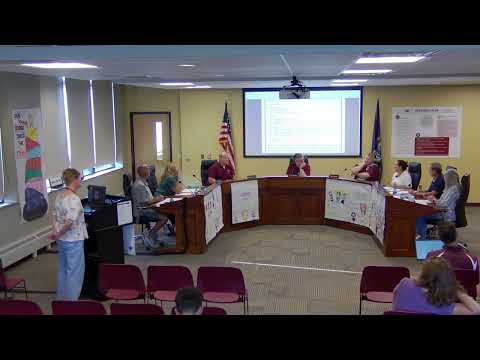
Trustees at the Grandville Board of Education workshop on July 1 pressed state lawmakers to address changes in this year’s school-aid package, saying the adjustments could reduce per-pupil funding and complicate staff pensions and mental-health supports.
A trustee criticized the new aid structure as politically driven and harmful to students and staff, calling parts of the package “a boondoggle program” that shifts resources away from public schools. District presenters said the foundation allowance (the per-pupil base) had remained flat for the first time in a decade and that a one-year OPEB (other post-employment benefits) payment of 5.75 percent was only a temporary, one-year balance.
Heather (board member, per discussion) explained that Senate Bill 911 passed in the Senate and the House but was never reconciled with the budget before legislators adjourned, which produced one-time funding language and added payroll and administrative complexity for the district. Heather urged board members to contact their senators; district staff offered to draft unified talking points to support outreach.
District officials said they are treating the situation conservatively. The presenter said staffing and attrition measures already undertaken will continue as the district monitors possible amended budgets and the effect of student-count changes. “It’s raining — we’ll let you know if it starts pouring,” the presenter said, summing up the district’s cautious approach to spending until funding becomes certain.
Trustees also flagged a $200 per-student reduction in a line for mental-health and school-safety funding, and discussed the risk that smaller districts could face steeper consequences. Board members asked staff to stay engaged with intermediate-district advocacy groups and to follow any legislative amendments closely.
Next steps: trustees agreed to prepare talking points for legislators and to monitor any amended budget proposals when the legislature reconvenes.