Get Full Government Meeting Transcripts, Videos, & Alerts Forever!
Get email alerts on the Community Services And Public Health topic
No spam. Unsubscribe anytime.
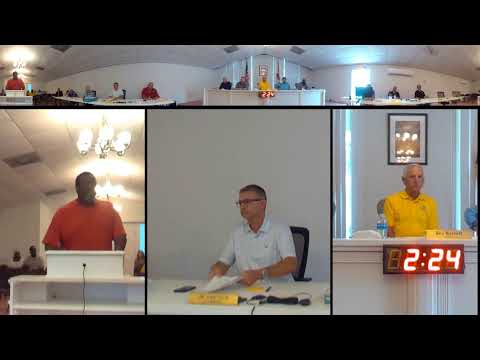
Residents press Port St. Joe commission on summer recreation cuts and water‑quality claims
Summary
Public commenters urged the commission to address reduced summer recreation capacity and raised an allegation that a county official said treated sewage was entering local waterways; the mayor and staff said the city’s recent DEP water quality tests support the city system and promised follow‑up.
Several residents used the public‑comment period to press the commission about summer recreation funding, the adequacy of youth programs, and allegations about local water quality.
A resident (speaker 13) told the commission she had been told the summer program would accept only 25 children per session because of funding cuts and said many local kids may be left out. "They can only take care of 200 of them," she said, urging the city to address the shortfall and explore options so local children are not excluded.
The same commenter said she had heard a county official, Michael Hammond, claim that treated sewage was entering local surface water and urged the commission to respond. "I heard something that I was concerned about… mister Hammond made a statement that the city of WeWalk was discharging raw sewage into the… fresh water," the resident said.
The mayor (speaker 1) and other officials disputed that characterization and pointed to water‑quality records. "Our water pass all water quality… The last 2 quarterly DEP water quality studies that the county submitted, their system failed," the mayor said, noting that city test results meet regulatory standards and promising the city would follow up on residents’ concerns.
Other commenters urged improved fire‑service capabilities and raised parking and access questions tied to potential loss of church parking. Commissioner and staff responses emphasized follow‑up actions: staff will confirm summer program capacity with grant partners, research the water‑quality claims and DEP records, and return with findings; the commission also said it will assess long‑term needs for a paid fire department as budget and tax base permit.
Why it matters: summer recreation impacts youth services and family schedules; claims about sewage and water quality carry public‑health implications that require factual confirmation through DEP records and interlocal coordination.
Next steps: staff to confirm summer program slots and funding status, review DEP water‑quality reports and report back to the commission, and evaluate long‑range staffing options for fire services.