Get Full Government Meeting Transcripts, Videos, & Alerts Forever!
Get email alerts on the Victim Services topic
No spam. Unsubscribe anytime.
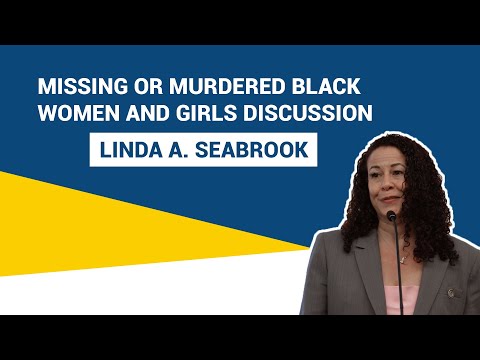
Office of Justice Programs official frames convening around missing and murdered Black women and girls
Summary
An agency official from the Office of Justice Programs opened a convening focused on the needs of Black women and girls who go missing or face violence, combining personal testimony with a call for programmatic, funding, and systemic changes to improve response and prevention.
An agency official from the Office of Justice Programs opened a convening on efforts to address missing and murdered Black women and girls, saying the discussion grew out of an item on the office’s equity implementation plan and consultations with advocates and colleagues.
The official, who described the role as "a first of its kind" at the Department of Justice, said they work "across all of OJP" with the agency’s six program offices—including the National Institute of Justice and the Bureau of Justice Statistics—to increase outreach and engagement with communities "that have been disproportionately impacted by crime, violence, and victimization." The official added that part of their work is to "develop strategies, to remove barriers, and increase access and opportunities to our funding," aiming for a more equitable disbursement of resources.
Highlighting why the convening was organized, the official said one line item in their early equity plans read only "missing and murdered black women and girls," and that it took time and consultation to define actions. The official tied the subject to lived experience: "I was a black girl missing," they said, recounting that they were taken by their father and that their mother did not know their whereabouts for more than eight months. The official said that personal history informed the decision to convene families, advocates, and program staff to discuss remedies.
The official listed systemic problems they said contribute to the vulnerability of Black women and girls: law enforcement that can be unresponsive to victims and families, school discipline policies that can punish rather than recognize signs of victimization, and child welfare practices that can "break apart Black families" and funnel children into foster care. They also said society too often "sexualizes and adultifies little black girls," which they said undermines protection and recognition of victimhood.
The convening brought family members to speak about their loved ones and the challenges they faced in searching for justice, the official said. They framed the goal of the meeting as identifying steps to ensure that "the next little black girl who goes missing, the next black woman who faces violence, is seen, heard, believed, and protected." The official noted that the Office of Justice Programs has completed many priorities identified in their three years on the job but that this subject required a focused conversation with advocates and program staff to determine concrete remedies.
The speaker thanked career staff and cited former Assistant Attorney General Amy Solomon and Brent Cohen for helping envision the role; specific next steps and any formal actions or timelines were not specified during this portion of the convening.