Get Full Government Meeting Transcripts, Videos, & Alerts Forever!
Get email alerts on the Education Programs topic
No spam. Unsubscribe anytime.
Charlotte Avenue staff present Zones of Regulation, buddy program and 'Let It Grow' classroom series
Summary
Charlotte Avenue staff described a social-emotional learning focus that includes the Zones of Regulation curriculum, cross-grade buddy pairings to improve cafeteria behavior and a monthly 'Let It Grow' classroom program to build confidence and independence.
Charlotte Avenue staff presented the building’s year-long focus on social-emotional learning and community connection, highlighting three initiatives: Zones of Regulation, a CAS buddy program pairing younger and older grade levels, and the Let It Grow classroom visits.
Andrea Tewinski, introduced as the school counselor, described Zones of Regulation as a framework that groups emotional states into four colors: "The first zone is blue..." (low energy), green (calm and ready to learn), yellow (increased energy but still controllable), and red (out of control). Andrea said she visits K–1 classrooms regularly and teaches students strategies tied to each zone, expected and unexpected behavior, and how to seek adult help when needed.
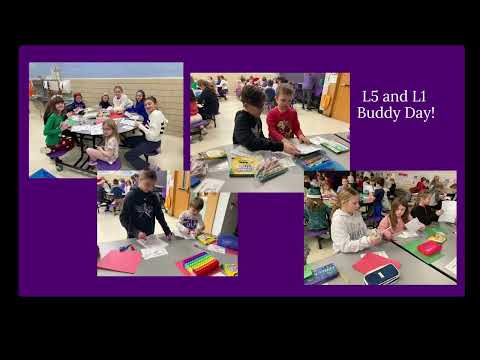
The presenter explained the CAS buddy program pairs grade levels (K–4, 1–5, 2–3) for periodic shared projects and supervised playground or cafeteria activities so older students model positive behavior and younger students gain role models. PTSA president and cafeteria monitor Jess Reina described how the program has helped some students self-identify zone language in hallways and access quieter spaces when they need them.
Staff also detailed the Let It Grow program, adapted from material discussed in The Anxious Generation, in which staff visit each classroom monthly to lead short lessons on confidence, service and thinking "outside the box." Presenters shared student artifacts and photos documenting small, measurable student activities and said the program emphasizes "progress over perfection."
The board thanked the presenters and requested continued updates as the programs mature.