Get Full Government Meeting Transcripts, Videos, & Alerts Forever!
Get email alerts on the District Budget Tax Meals topic
No spam. Unsubscribe anytime.
Oley Valley board reviews proposed $40M‑range budget, millage and a plan to raise student lunch prices
Summary
Board members discussed the proposed 2025–26 general fund budget (described in the packet as near $40 million), a proposed property‑tax millage of 32.1338, and a recommended lunch price increase (15¢ for elementary/middle; 40¢ for high school). Final votes were scheduled for the June 16 meeting.
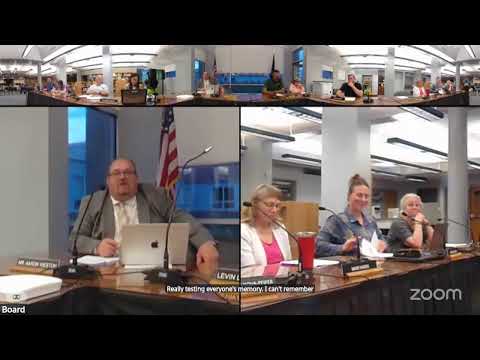
The Oley Valley School District Board of Directors spent a large portion of its June 9 meeting reviewing the district’s proposed 2025–26 budget, related tax resolutions and changes to school‑meal pricing ahead of a scheduled vote next week.
Budget and Finance Committee chair Coral presented the budget packet and said the general fund plan is ‘‘near $40,000,000’’ with a 0.999‑mil change and a 3.21% increase that Coral described as ‘‘a budget increase of 916,000 plus’’ compared with the prior year. The committee also proposed a real‑estate millage rate of 32.1338 mills, which the packet estimated would generate about $22,500,000 in revenue.
Board members sought clearer totals and line‑item context. One trustee flagged the 63‑page list of general‑fund transfers and asked for a single total to make the vote easier to evaluate; staff said the transfers typically reallocate grant receipts and other restricted funds so the accounts match audit codes once funds arrive.
Food services, which operate in a separate fund, drew extended discussion. Coral presented the food‑service budget and a recommended meal‑price change that the motion lists as a 15¢ increase for elementary and middle school lunches and a 40¢ increase for high school lunches. A committee member calculated the family‑level impact and said, ‘‘For a high‑school student who buys lunch every day for 178 days, they would be paying $71.20 more than they did the previous year,’’ and urged the board to consider the effect on families.
Staff explained rising food and supply costs, changes in federal commodity availability and reimbursement differentials: ‘‘We received $4.43 reimbursement this year for free reduced lunches; for paid lunches we got 42¢,’’ a staff presenter said. Board members noted that the lunch fund is distinct from the general fund and that any surplus or shortfall stays with the lunch operation.
Committee members also previewed a one‑year extension of the US Foods cafeteria contract for 2025–26 in the packet and notified the public that the full budget and supporting documents had been posted on the district website and in legal notice. Coral said the board plans to vote on the full agenda, including the budget, at the June 16 meeting; the June 18 meeting was listed as a backup if the budget does not pass.
What’s next: The board did not take a final vote on the budget at the June 9 meeting; members asked staff for clearer totals on transfers and line‑item changes before the June 16 vote.