Get Full Government Meeting Transcripts, Videos, & Alerts Forever!
Get email alerts on the Elementary Ela topic
No spam. Unsubscribe anytime.
District curriculum leaders to ask board to adopt Amplify CKLA for K–6
Summary
After faculty rubrics, experience kits and site visits, administrators recommended the board consider purchasing Amplify CKLA K–6 (six‑year quote, not to exceed $277,000) and to fund much of it with ESSER dollars plus an estimated $45,000 from fund balance; administrators said implementation would begin for fall.
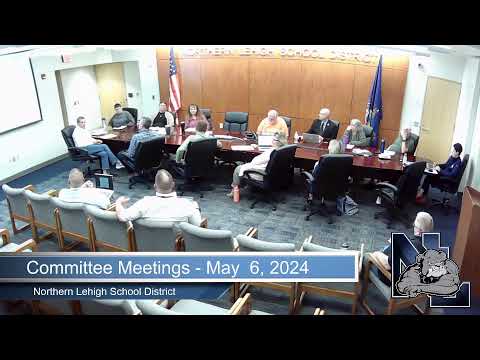
The Northern Lehigh education committee spent the bulk of its meeting reviewing elementary literacy options and heard a formal recommendation to take Amplify CKLA to the full school board for approval.
The district curriculum director told the committee the adoption process began last fall, included teacher data reviews and presentations from four vendors, and narrowed to Amplify CKLA after faculty scoring and site visits to Cumberland Valley and East Lycoming. "The recommendation is to move forward with Amplify CKLA," the curriculum director said, adding that the package includes professional development and a six‑year pricing quote.
Why it matters: administrators said Amplify aligns with the science‑of‑reading approach the Pennsylvania Department of Education has recently endorsed and that some districts using the program reported lower intervention and special‑education referral rates. At the committee meeting, teachers who attended site visits described kindergartners reading paragraphs aloud and said intervention numbers had fallen into single digits at some sites.
Cost and funding: staff said the current six‑year quote is for a not‑to‑exceed $277,000 package; they estimated roughly $45,000 of that could come from the district's fund balance and said the remainder would be paid from remaining ESSER funds. "You'll see the full itemized list," the curriculum director said; the director also told board members they would present a motion next Monday seeking board authorization to place the purchase on the agenda.
Implementation questions: board members pressed staff on timing, rollout to middle grades and professional development. Administrators said the recommended implementation is K–6 for year one, with middle‑school alignment to follow. "If we adopt this we would immediately begin planning for a fall release," the curriculum director said, adding that staff would develop a summer and August professional‑development plan to prepare teachers.
Opposition and caution: some board members voiced concern about switching materials after multi‑year commitments to the current program and the use of one‑time federal funds. One committee member said she would withhold final support until seeing a firm budget and expressed skepticism about rapid changes after a long adoption cycle.
Next step: The administration plans to bring a not‑to‑exceed motion to the full school board at its next meeting; the committee did not take a formal vote but agreed to forward the recommendation for board consideration.