
Senate amends and passes bill to certify residential recovery programs
Get AI-powered insights, summaries, and transcripts
Subscribe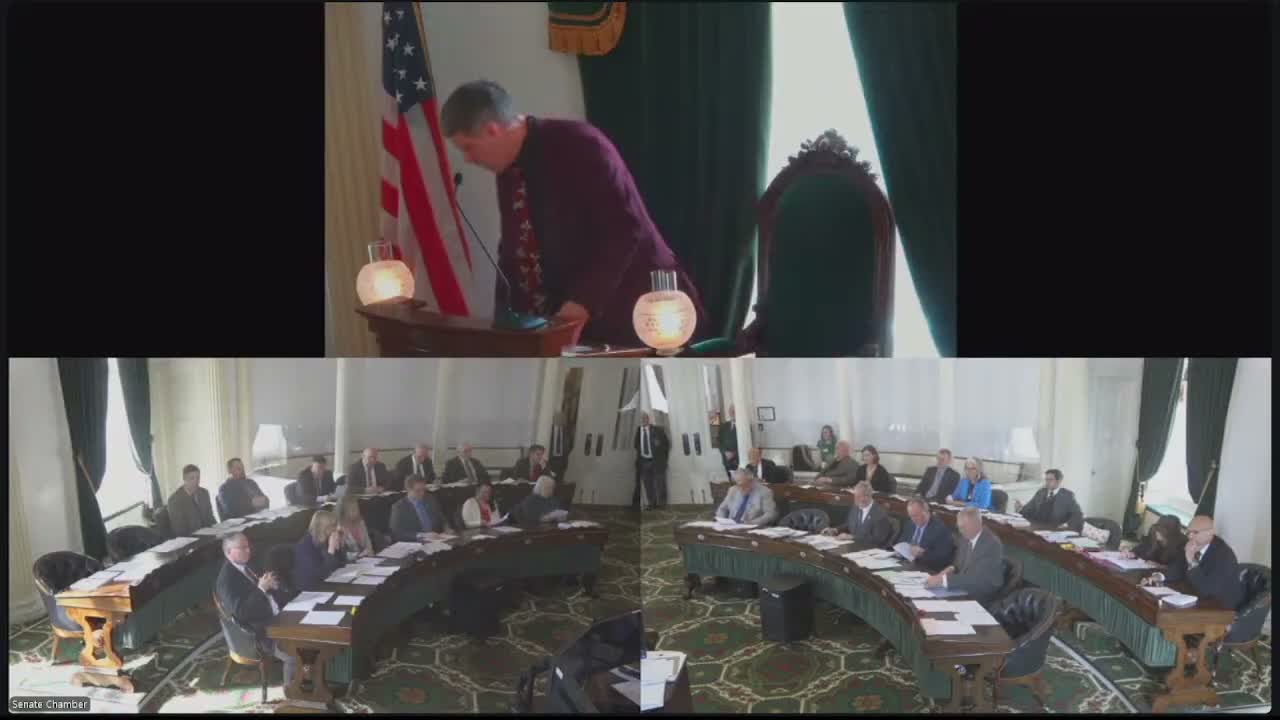
Summary
The Vermont Senate adopted a technical language amendment to S157 to align criminal‑statute phrasing and then passed the bill establishing a certification system for residential care for people with substance use disorders.
The Senate amended and then passed S157, an act to establish certification for residential recovery residences, after adopting a short technical amendment clarifying criminal‑statute language.
Senator from Windham, the amendment sponsor, told the Senate the change replaces two instances of the phrase "commits a crime" with "is charged with a criminal offense," aligning the bill's wording with standard criminal‑statute language. She said the amendment was reported by the Health and Welfare Committee that morning and is limited to two brief instances of language clarification.
Senator from Orange said the committee had reached out to recovery residents, who were comfortable with the revised wording. Senator from Washington asked whether the amendment removed the phrase "engages in theft." The sponsor confirmed that "engages in theft" remains in the text so that residences can address suspected theft internally in some circumstances rather than calling police.
After debate and explanation, the Senate voted to adopt the amendment and then voted to pass S157 as amended. Senator Lyons (Chittenden Southeast) highlighted the bill's goal of creating a graded, certified system of residential care and access to beds matching residents' needs as they seek treatment and return to their lives.
The chamber recorded the voice vote results as "ayes" and the chair announced that S157 had passed as amended. No individual roll‑call tallies were recorded in the transcript.
The bill will proceed according to legislative process and any next steps will be reflected in committee calendars and subsequent legislative days.