
House amends event-ticket resale bill, orders third reading after wide floor debate
Get AI-powered insights, summaries, and transcripts
Subscribe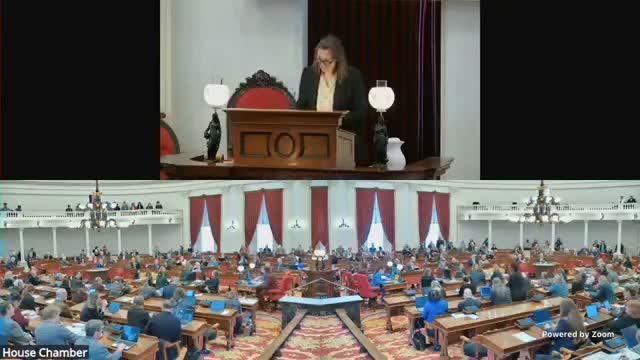
Summary
After extended floor questioning and debate over enforcement and the effect on ordinary sellers, the House amended H.512 to add a strike-all consumer-protection framework for secondary ticket sales and ordered the bill to third reading.
The House on Friday amended H.512, a bill aimed at regulating the secondary market for event tickets, and ordered it to a third reading after extended floor debate about a 10% resale-price cap and enforcement challenges.
Representative Caris Duncan, speaking for the House Commerce and Economic Development Committee, outlined a strike-all amendment that would create a new subchapter to require resale platforms to disclose whether buyers are purchasing from a reseller or the original issuer, prohibit deceptive website addresses or misleading endorsements, ban speculative listings for tickets not yet in a seller’s possession, and cap resale prices at 10% above the original ticket price. The amendment sets the bill’s effective date as July 1, 2026.
"This bill proposes enhanced customer protections in the event ticketing resale market through improved transparency and the prevention of predatory and deceptive practices," Representative Caris Duncan said, adding that the cap "allows a reseller to cover payment processing fees, platform fees, administrative overhead, and earn a reasonable margin while removing the incentive to hoard inventory."
The committee reported extensive testimony from the Vermont Attorney General’s office, the Vermont Arts Council, local venues including the Paramount Theater, and national platforms such as StubHub, and recommended the amendment by a committee vote of 10–0–1.
Opponents on the floor questioned whether the 10% cap would unintentionally harm ordinary Vermonters who need to resell tickets they legitimately own. "Tom," a hypothetical constituent described by the member from Castleton, was used to illustrate the concern that a private seller might be forced to take a substantial loss if market prices rise. "Who is this bill protecting Tom from exactly?" the member from Castleton asked, arguing the legislation could advantage large platforms that obtain written contracts with venues while constraining individuals.
The same member also raised enforcement and constitutional concerns, noting that original face values are often not easily accessible and that tickets sold across state lines could raise interstate-commerce questions.
Committee members responded that venues requested the exemption for contract resales to allow small venues to partner with resellers when necessary, and that the Attorney General’s office and the Consumer Assistance Program would provide enforcement avenues and assistance for consumers.
After questions and a brief recess, the House voted by voice to accept the committee amendment. The presiding officer announced that the ayes had it, that the bill had been amended, and that third reading was ordered.
The amendment text requires platforms and resellers operating in Vermont-based venues to make clear to buyers whether a ticket is being sold by the original issuer or a secondary seller, prohibits deceptive redirection and misuse of venue or artist intellectual property without consent, outlaws speculative resales of tickets a seller does not possess, and ties enforcement to state consumer-protection law. The bill exempts resales covered by a written contract between the venue and a reseller from the 10% cap.
The House did not take a final passage vote on H.512 Friday; the bill was placed on third reading for a future session.