Get Full Government Meeting Transcripts, Videos, & Alerts Forever!
Get email alerts on the Industrial Permits topic
No spam. Unsubscribe anytime.
Planning commission splits Keystone Cement waiver into tanks and rail; residents press safety and stormwater concerns
Summary
Keystone Cement sought a waiver for tank replacements and a rail‑unloading station. Commissioners voted 4–1 to recommend that tank replacements undergo site-plan/land-development review and that rail-spur/rail unloading improvements be reviewed under full land-development procedures; residents raised concerns about hazardous materials, stormwater and permits.
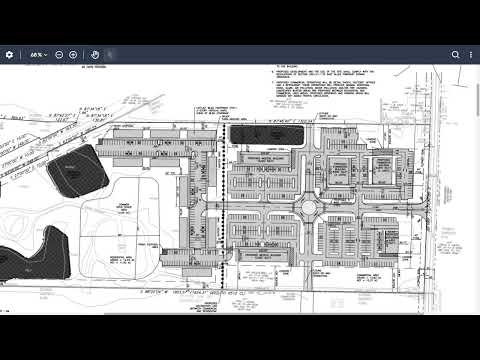
Keystone Cement representatives asked the Planning Commission for a waiver from the township’s subdivision and land-development ordinance (SALDO) for two minor improvements at their 37‑acre plant: a secondary containment area with six tanks (each part of an overall tank farm) and a rail‑car unloading station with secondary containment.
David Schutte of Troutman Pepper (speaker 16) described the work as two limited improvements and told the commission Keystone would continue to operate under its existing permits, including a DEP Resource Recovery/permit regime and NPDES-related erosion and sediment controls. Chris Madden, Keystone’s compliance manager (speaker 13), said the changes would not change the plant’s permitted emissions and that DEP permit limits would continue to apply.
Commissioners and several members of the public said the topic is highly charged locally because the plant handles waste-derived fuels and solvents. The chair noted extensive prior public attention through media and community meetings and urged transparency. One commissioner cited an annual delivery figure that the applicant referenced during questioning — approximately 7,000,000 gallons annually delivered by truck historically, and applicant testimony that 7–12 truck deliveries per day (each roughly 5,000 gallons) currently occur for the plant’s fuel operations.
Given the mix of concerns, commissioners discussed bifurcating the application. Several members suggested granting a waiver (or limited waiver) for the like‑for‑like tank replacements because the tanks are permitted by DEP, while routing the railspur and new unloading‑station design into a full land‑development review and requiring the applicant to supply DEP authorizations, tank permits and stormwater documentation.
The motion the commission approved recommended site-plan/land-development review for the tank-farm work and required a land-development review for the rail spur and related piping; the recommendation passed 4–1.
What happens next: The Planning Commission will forward its recommendation to the Board of Supervisors; the Board will consider the commission’s guidance and the applicant’s DEP permits and related technical documentation when deciding whether to grant waivers.
Votes and numbers: The commission approved the split recommendation 4–1. Keystone representatives said the six‑tank containment area would measure less than 3,500 square feet and the rail unloading secondary containment about 2,500 square feet; Keystone described the total change as less than 0.15% of the plant footprint (transcript values). Public commenters and commissioners asked for DEP permits, erosion/sediment-control plans, and stormwater calculations to be included in the township record.