Get Full Government Meeting Transcripts, Videos, & Alerts Forever!
Get email alerts on the Short Term Rentals topic
No spam. Unsubscribe anytime.
North Richland Hills delays short‑term rental decisions after hours of divided public comment
Summary
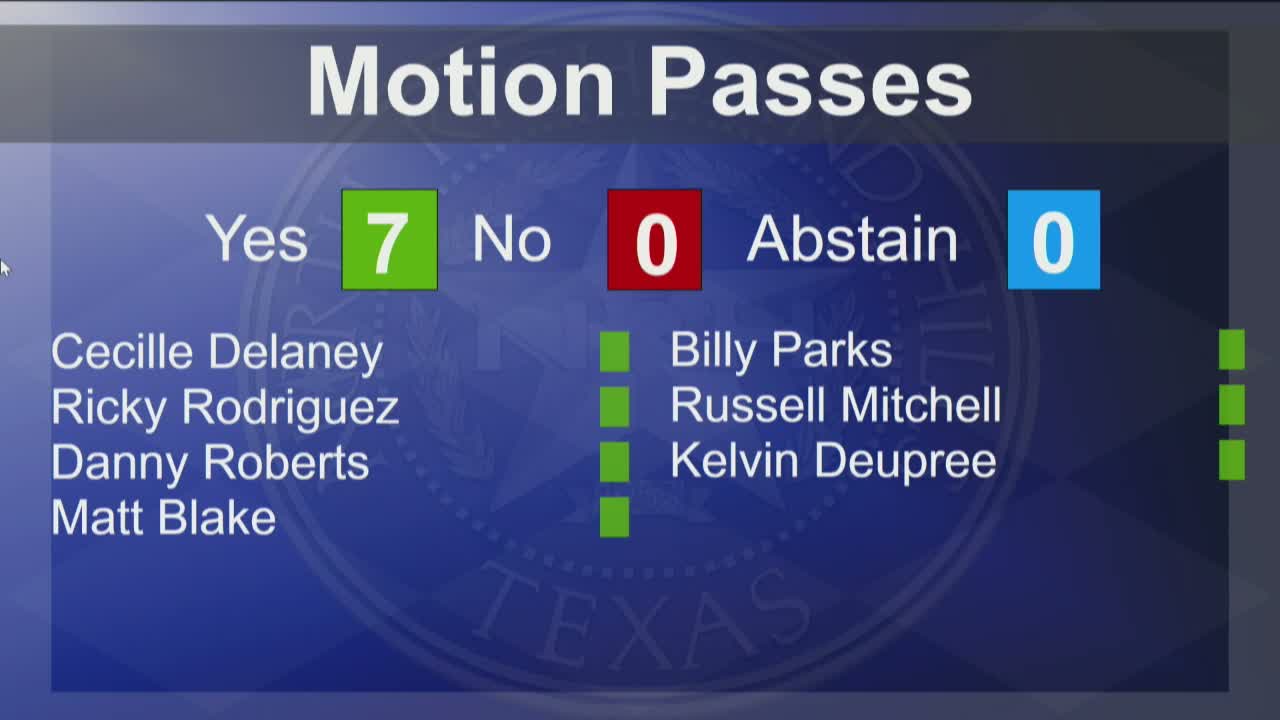
After more than three hours of public testimony both for and against proposed short‑term rental regulations, the North Richland Hills City Council voted unanimously to continue the public hearing to Oct. 13 to allow staff to refine a package that would add registration, inspections and zoning limits.
The North Richland Hills City Council on Sept. 8 moved its public hearing on a new package of short‑term rental regulations to Oct. 13 after hours of sharply divided public testimony.
City planner Corey summarized three companion items staff proposed: a new chapter in the code requiring annual registration and inspections, a zoning-text amendment to add 'short‑term rental' as a permitted use in select districts, and a fee-schedule change that would set an annual permit fee at $500. The draft would require a local point of contact who can respond within 60 minutes, cap on‑site parking at no more than four vehicles (or the existing on‑site capacity), an occupancy guideline of two persons per bedroom plus one with a 12‑person cap, mandatory record‑keeping for hotel occupancy tax compliance, and a revocation pathway after repeated ordinance violations (three in a 12‑month period or five in 24 months). Staff said operators currently in service would have a 90‑day registration window if the ordinance takes effect.
The public hearing drew lengthy testimony from dozens of residents and hosts. Tracy Bennett, who said she lives in a commercial area with an existing rental, told council: “I think registration is good… but the parking cap is discriminatory and parking is a citywide issue.” Several neighbors urged stricter enforcement and clearer definitions of quiet‑hours enforcement, trash handling and how the city would define an actual bedroom.
Hosts and operators gave countervailing testimony about the economic role of STRs and legal concerns. Ellie Hayes, an operator, told the council she was relying on constitutional protections and said cities must show evidence that STRs create nuisances before imposing different rules. Other hosts said the proposed renewal window (December 15–January 31) and the 90‑day backlog for back taxes and inspections could create an unworkable administrative surge.
Mayor Jack McCarty said staff had taken extensive public input and stressed the council wanted to ‘take one bite at the apple’ and get the ordinance right; the council voted unanimously to continue the public hearing and to postpone the companion Chapter‑18 and fee items to the Oct. 13 meeting so staff can incorporate feedback and clarify enforcement processes.
What’s next: staff will return to council with revised language and scheduling for the transit‑oriented development public hearings; council members gave staff direction to refine parking, enforcement and grandfathering language and to clarify timelines for registration, inspections and any hotel‑occupancy tax reconciliation.