
Doña Ana County treasurer outlines how notices of value become property tax bills, payment options and a rebate for low‑income residents
Get AI-powered insights, summaries, and transcripts
Subscribe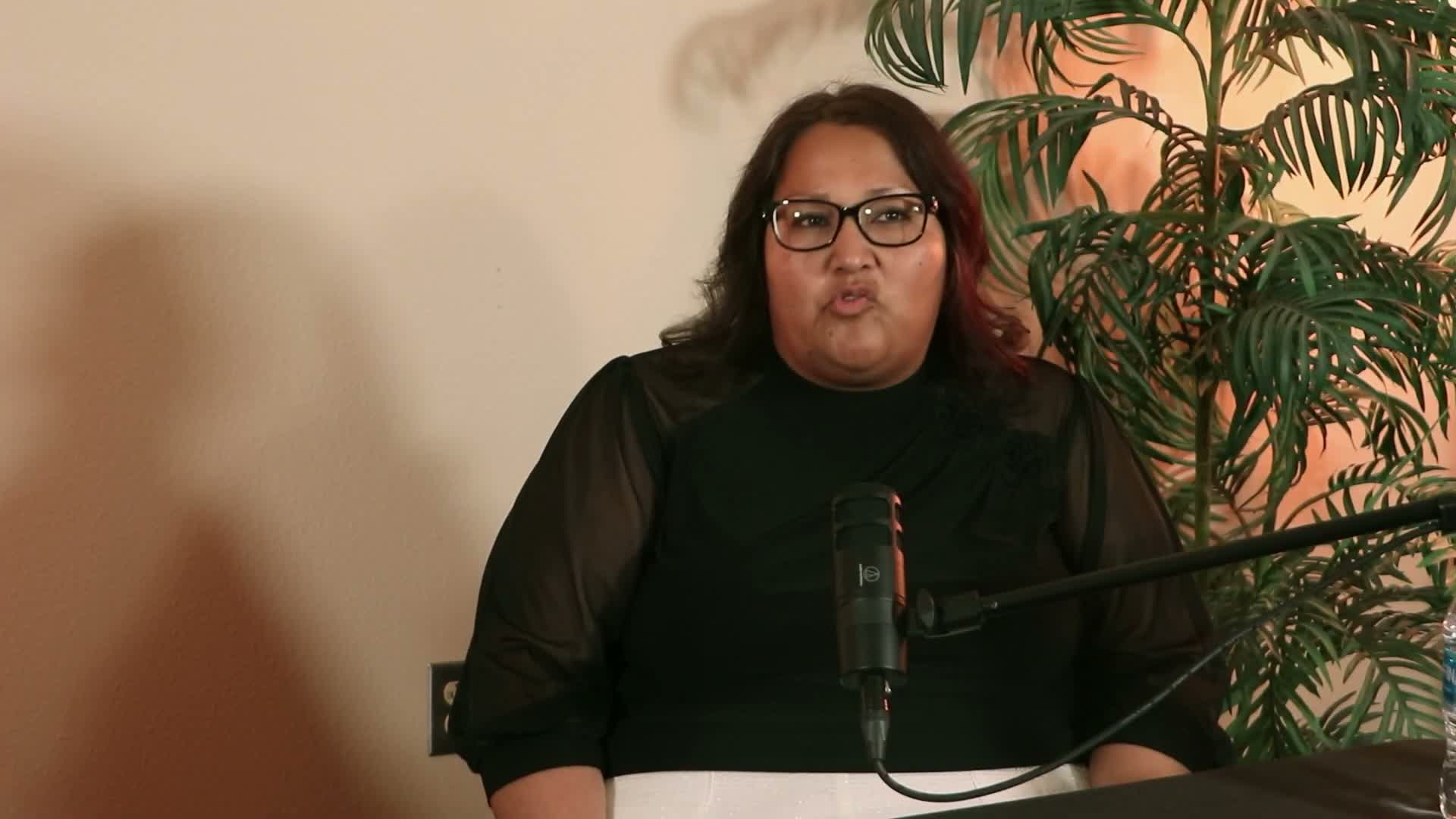
Summary
Doña Ana County Treasurer Marisol Richardson explained how notices of value lead to November tax bills, deadlines for half‑payments (Dec. 10 and May 10), payment methods (including a kiosk with fees), outreach events across the county, and a board‑approved tax rebate for lower‑income residents.
On the Doña Ana County podcast, Marisol Richardson, the county treasurer, explained how the county collects property taxes and what residents should watch for when they receive a notice of value.
"The treasurer is here the main operation that we do for the county is property tax collection," Richardson said, describing additional duties such as posting revenues, overseeing cash flow and managing investments for county accounts.
Richardson told listeners that notices of value—which she said people typically receive in March—show an estimated home value and give homeowners a chance to question valuation changes before tax bills are generated. "Pay attention to your notice of values because it'll show you if your valuation has gone up substantially. It's your time and opportunity to question changes," she said.
She described the timing and payment schedule: valuations are sent from the assessor to the treasurer in October, the county mails property tax bills in November, and taxpayers may pay in two halves—first half by Dec. 10 and second half by May 10. Richardson noted the office sends multiple notices: the first bill, a second‑half notice in April, and a delinquent notice if taxes remain unpaid.
On how to confirm whether a homeowner owes taxes, Richardson advised calling the treasurer's office because mortgages sometimes cover taxes through escrow. She gave the office number as (575) 525‑5800 and said account information can also be checked through the county's treasurer web page.
Richardson reviewed payment options: in‑person payments during business hours (8 a.m.–5 p.m.), online payments, phone payments, and a kiosk located next to the treasurer's office that accepts e‑check, credit and debit cards. She warned that third‑party convenience fees apply for online and kiosk payments and said the county is working to negotiate a contract to reduce those fees.
To reach more residents during tax season, Richardson said the office runs one‑day outreach events in communities around the county and listed Hatch, Anthony, Chaparral and Summit Park as planned stops. She also warned that after three years of nonpayment the state can become involved and has the power to auction properties, and she encouraged residents to contact the treasurer's office to discuss payment arrangements.
On exemptions, Richardson said the treasurer's office cannot legally grant exemptions but will direct residents to the assessor's office to apply for head‑of‑household or veteran exemptions and will help individuals identify and apply for benefits they may qualify for.
Richardson also noted a policy action residents should know about: "The board of commissioners approved a tax rebate for people that are lower income," she said, and advised residents to check rebate guidelines and to include any rebate information on their tax returns if applicable; the program's eligibility rules were not described on the podcast.
She closed by urging residents to keep contact information current so the office can reach them about account issues: "Make sure your address is up to date so that we're getting that information to you," Richardson said. For account questions she directed listeners to call (575) 525‑5800 or consult the treasurer section of the county website.
The episode ends with a brief, non‑substantive exchange about food preferences and a reminder the audio version of the podcast is available on Spotify and Apple Podcasts.