Get Full Government Meeting Transcripts, Videos, & Alerts Forever!
Get email alerts on the Governance Enforcement topic
No spam. Unsubscribe anytime.
Commission considers updating rules of procedure and a tougher enforcement process with daily fines and liens
Summary
City code changes to Title 2 will require the commission to revise its rules of procedure; staff also proposed an enforcement workflow that would allow daily fines (up to $2,500) and liens for uncorrected historic‑preservation violations, prompting discussion about deadlines, materials availability, adjudication and integration with city systems.
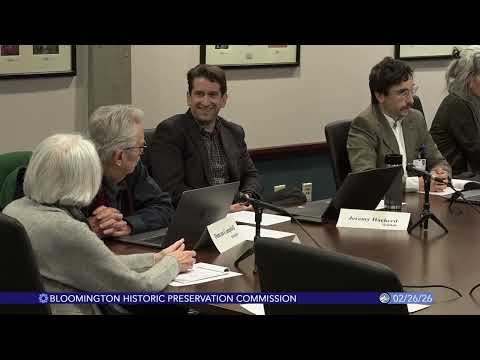
Commissioners discussed two governance items on Feb. 26: mandatory updates to the commission’s rules of procedure following recent City Council changes to Title 2, and a proposed enforcement process for historic‑preservation violations.
A city staff member explained the Title 2 amendments consolidated board and commission rules and added required officer positions (including secretary and treasurer) and new procedures for calling special meetings. Staff proposed a redline comparison of the commission’s rules and the updated code and suggested voting on mandatory code‑required changes at the next meeting, with other changes considered later.
Noah and other staff outlined a draft violation‑enforcement procedure: after a notice of violation, property owners would have 30 days to apply for a COA or correct the violation; if they do not, the commission could authorize daily fines of up to $2,500 until the violation is corrected, and a lien could be placed after an additional 30 days of nonpayment/noncompliance. Commissioners raised practical concerns: exceptions when materials are not available, what counts as evidence of progress, who issues notices and who adjudicates fines (legal office was cited as the likely adjudicator), and the need to integrate fine collection into the city permitting/payment system (EPL).
One staff member framed the policy goal as balancing enforcement with the practical ability of owners to comply: “we don’t want to hit people with fines so high that they’re unable to do the work,” the staff member said, arguing for fines strong enough to encourage compliance without preventing remediation.
Commission direction: staff will produce a redline of required rule changes for the next meeting and return a clearer enforcement flow that specifies responsible parties, timelines and possible exceptions for material delays; any enforcement actions will follow city legal and administrative review.