Get Full Government Meeting Transcripts, Videos, & Alerts Forever!
Get email alerts on the Property Valuation topic
No spam. Unsubscribe anytime.
Hall County officials hear dozens of property valuation protests as residents contest large assessment hikes
Summary
At a daylong session the Hall County Board of Equalization heard homeowners contesting steep assessment increases, errors in square footage and outbuilding listings, and inconsistent comparable sales; assessors pledged targeted reviews, additional comparables and some equalization checks before final action.
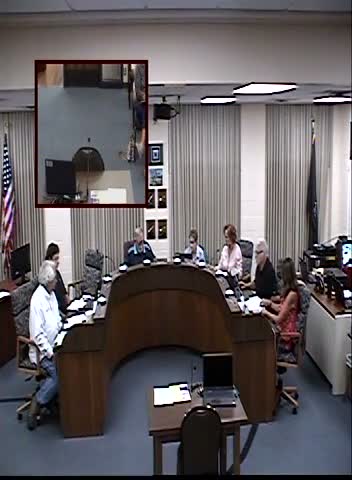
The Hall County Board of Equalization met for a daylong series of hearings on property valuations, during which dozens of residents protested sharp increases in assessed values, raised data errors in appraisal cards and pushed for additional comparable-sales checks and equalization reviews.
Chair Ron Peterson opened the meeting and the board accepted assessor materials and a set of protest files before moving into individual hearings. "This is a public meeting subject to the open meeting laws of the state of Nebraska," the chair said as the hearing began.
At several hearings property owners described items on appraisal cards that they said were incorrect. "They said I had a detached garage. I did not," said Lehi ("Lenny") Sorham, who told the board referees had reduced his value but that his parcel still showed a detached garage and an extra bathroom. Assessor staff responded that referees had removed the detached garage from Sorham's record and that square footage and fixture counts had been corrected. "The detached garage was removed," Mark Stannard told the panel, and staff committed to pull comparables and recheck records within a few days.
Ed O'Boyle, another homeowner, summarized his own increase: "This year, we got a valuation increase of 110,000," he said, and he told the board that such rises were difficult for homeowners on fixed incomes to absorb. Board members and the assessor's representatives repeatedly explained that assessors set valuations to reflect current market sales and that the county's role is to equalize values across similar properties rather than set tax levies.
Residents pressed persistent questions about how modular or factory-built homes and unique structures are valued. Board members acknowledged problems with classifying modular or mixed construction in the assessor's system and said they would ask their hired appraisers to analyze those properties and run equalization studies. One recurring procedural suggestion from multiple board members and staff was that owners who believe sales or quality ratings are incorrect provide the assessor with specific comparables, paid appraisals or documentation; staff said that substantiated evidence helps justify adjustments.
On routine business the board approved motions to accept assessor documents and to receive and place various protest files on record; the clerk recorded six yes votes on the procedural motions. For contested properties the assessor's office and its contracted appraisers frequently agreed to take a second look: schedule interior inspections, pull neighborhood comparables, correct fixture or square-foot counts and, where appropriate, perform equalization studies.
Several speakers asked about refunds and next steps if the county later reduces a valuation. Staff explained the county's refund process and advised owners that appealing to the state Tax Equalization Review Commission (referred to frequently in the hearing) can keep a case active while the board waits for a state decision. Staff repeatedly directed residents to call the assessor's public line (385-5050) for follow-up and said final action on many items would be recorded by the board on Friday at 1:00 p.m.
The hearings made clear two recurring themes: owners reported a mix of technical errors in assessor records (incorrect garage or bathroom listings, inaccurate square footage, or mistaken condition ratings), and many owners said their valuations jumped far faster than expected. Board members said the county uses hired, certified appraisers to assist and that where errors or mismatches exist the assessor's office can adjust records or run equalization checks. Several owners were advised to submit documentation (purchase agreements, paid appraisals or comparable sales) to strengthen future protests.
The board left many cases open for follow-up rather than rendering immediate county-wide policy changes; a number of owners were told to expect phone callbacks or targeted inspections next week. The clerk and assessor staff told attendees how to check final actions and outcomes: call the assessor's office at 385-5050 or check for the board's formal action later in the week.