Get Full Government Meeting Transcripts, Videos, & Alerts Forever!
Get email alerts on the Property Tax topic
No spam. Unsubscribe anytime.
Department of Revenue outlines impacts of York County's July assessment rollback
Summary
The Department of Revenue told York County commissioners that a July rollback of property assessments affected far more parcels and value than the department recommended, and urged procedural changes including a targeted remediation plan and a county–state working group.
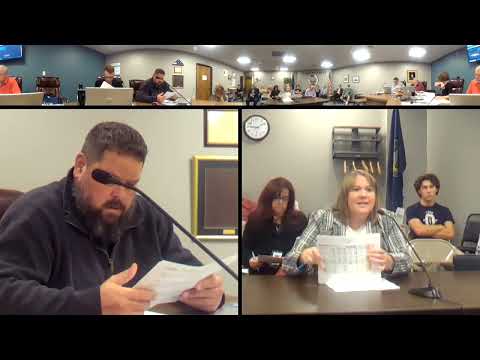
Sarah Scott, property tax administrator with the Nebraska Department of Revenue, told the York County Board of Equalization that the county’s July action to revert assessment changes affected roughly 2,586 parcels and about $212,000,000 in assessed value, far above what her office had recommended for targeted adjustment.
"We had recommended 1,224 parcels that would have reduced the county's value by less than 1%, approximately $17,000,000 in value," Scott said, noting the board’s motion in July produced a broader effect. She said the shift was on the order of 6% of county total value and that residential assessments fell below statutory certification targets used for school equalization.
The board’s discussion focused on why commissioners acted as they did in July and how to fix the aftermath. Several commissioners said they took the step under intense constituent pressure after some properties showed large valuation swings. "We were being blasted with calls from people that their valuations went from 300 to 600,000," the chair said, describing the urgency that led to the board’s decision.
Scott outlined two remedial options: petition the Tax Equalization and Review Commission (TERC) or prepare a focused list of parcels for county-level adjustment (her office had suggested a smaller list of affected parcels). She also recommended completing the assessor’s ongoing reevaluation, using comparable sales and independent referees (appraisers) to evaluate protests, and developing county procedures to handle protests and data needs moving forward.
Several commissioners raised technical questions about the county’s valuation manuals and the shift from older to newer assessment books (references were made to 2008 vs. 2020 manuals). Scott said those changes, combined with software transitions and staff learning curves, likely produced anomalous jumps in some parcels and that better data and comparables are needed to justify parcel-level changes.
The board agreed to work with the Department of Revenue to form a small committee and urged the assessor to finish the reevaluation for 2025. Commissioners asked staff to return with an action plan and volunteer committee members to collaborate with state personnel on a timeline and specific remedies.
The next procedural steps are to finish the assessor’s reevaluation, develop county guidance on protest handling and referee use, and assemble the county–state working group to present an action plan to the board.