Get Full Government Meeting Transcripts, Videos, & Alerts Forever!
Get email alerts on the Solid Waste topic
No spam. Unsubscribe anytime.
Hernando County adopts pilot transfer‑station fee after heated public hearings
Summary
After hours of public comment, the Board of County Commissioners approved a 90‑day pilot charging $5 per trip for up to five household trash bags and $15 for larger loads at county transfer stations; the change aims to cover operating costs while the board studies alternative service models for rural residents.
The Hernando County Board of County Commissioners voted unanimously Dec. 16 to implement a 90‑day pilot charging residential users $5 per trip for up to five standard household trash bags and $15 for other or larger loads at county transfer stations.
The pilot was proposed after utilities staff presented a revenue sufficiency study that recommended raising several tipping rates and adding a convenience‑center fee to cover operating expenses. Gordon (utilities director) told the board the proposed convenience‑center fee had been calculated to reflect the centers' operating costs and that the county was targeting March 1 to have payment infrastructure ready: "We're targeting March 1 to have all that infrastructure ready," he said.
Why it matters: County staff said transfer stations are currently subsidized by other funds and that demand, hauling and new landfill cells increase operating costs. Commissioners framed the pilot as a compromise meant to avoid a tax‑wide increase while ensuring transfer stations remain open.
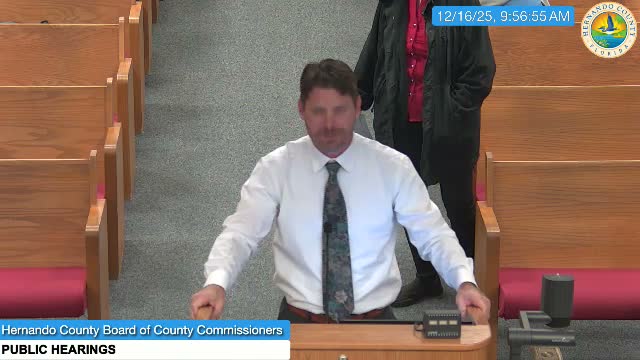
Public outcry and rural concerns: Dozens of residents — many from rural east‑side neighborhoods that lack curbside service — urged the board to avoid a flat $15 charge, calling it unaffordable for seniors and households on fixed incomes. "$15 a trip is money I don't have," Dale Brauer said, describing his reliance on a single Social Security check. Other speakers pressed for per‑bag pricing, graduated fees, or expanded subscription options.
Board compromise and next steps: Commissioners debated alternatives including a county‑wide mandatory subscription model, graduated fees, and reduced transfer‑station operating days to lower staffing costs. The board directed staff to run the $5/$15 structure as a 90‑day pilot, collect usage and revenue data, and return with analysis before any permanent change. The Chair described the plan as a temporary measure to balance equity and fiscal sustainability: "Residential trash, up to 5 items, $5 per trip; everything else is $15 per trip," the Chair said when presenting the compromise.
What comes next: Staff will gather trip counts, revenue and queueing data during the pilot and model alternatives, including annual subscription options and targeted exemptions for residents who cannot reasonably access curbside service. The board also asked staff to explore a payment‑card or annual pass option and to report back with operational metrics and recommended changes at the next review.
Implementation details: The board approved the pilot 5‑0. Staff said they will accept multiple payment methods and explore ways to accept cash at convenience centers while maintaining security and audit controls. The board signaled willingness to revisit transfer‑station hours, staffing and fee levels after the pilot.