Get Full Government Meeting Transcripts, Videos, & Alerts Forever!
Get email alerts on the School Facilities topic
No spam. Unsubscribe anytime.
Board weighs bubble vs. field house to cover Wasatch High practice turf
Summary
Board members and district staff heard contractor presentations weighing an air-inflated "bubble" against a prefabricated metal field house and brick-and-mortar options. Staff said a prefab package was roughly $6 million while a bubble looked several hundred thousand dollars cheaper up front but could cost more over its lifecycle.
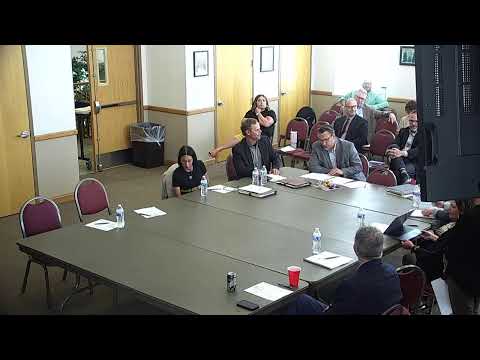
The Wasatch County School District board on March 2 heard preliminary proposals to enclose its high‑school practice turf, with presenters comparing an air‑inflated "bubble," a prefabricated metal field house and a brick‑and‑mortar structure.
Board members opened the discussion saying the turf needs year‑round, usable space and that the board had asked staff to investigate options. A presenter described a 28,000‑square‑foot enclosed plan that would provide about 50 playable yards across the turf, room for a full infield for baseball/softball practice and space for a weight room and observation area if the district opted for a two‑story build‑out.
Why this matters: the enclosed space would increase usable practice time through winter and spring, reduce schedule conflicts across teams and offer opportunities for additional programming. That potential must be weighed against upfront costs, ongoing maintenance and limits on activities depending on enclosure type.
Presenters and staff laid out technical tradeoffs. A district staff member said bubbles require anchoring with footings similar to building foundations and depend on blower systems: "you would have to put a footing and a foundation in to anchor that building," the staff member said, adding that bubbles can be more expensive to heat because of air loss. The staff member also reported that a bubble the group toured was about 20 years old and nearing end of life.
Cost comparisons were preliminary. Staff told the board a prefab metal building package — the building shell, turf and envelope — came in just under $6,000,000. The staff member summarized the early estimate on the relative price: "I would imagine there's probably maybe 350 to $400,000 lower savings to do the bubble," while cautioning that did not include long‑term maintenance. Presenters and board members said lifecycle analysis could make a bubble more expensive over 20–25 years.
Safety, operations and program fit factored into the discussion. Presenters said bubbles can restrict occupant loads and egress options (for example, fire‑sprinkler requirements and posted occupancy limits), make some sports harder to accommodate without additional netting, and require perimeter drainage to handle winter melt. A presenter said a prefab metal building is more flexible for adding restrooms, plumbing and weight‑room space.
Board members discussed siting and capacity. One board member said the largest feasible enclosed footprint was preferred to allow multi‑sport use; others cautioned that building too small could limit usefulness, especially if the facility were expected to serve two high schools. Potential siting options included a grassy area east of Wasatch High or converting existing turf; staff noted space is tight and encouraged further site planning.
Next steps: presenters asked the board whether a bubble could meet the district’s needs or whether the board wanted to pursue a prefab metal building; several members said a prefab structure better meets long‑term program aims. Staff said they would provide additional drawings and more detailed cost estimates for board review before any procurement or formal action.
The board did not take a formal vote on enclosure type during the session; the discussion closed with agreement to pursue more detailed designs and updated cost analyses.