Get Full Government Meeting Transcripts, Videos, & Alerts Forever!
Get email alerts on the School Funding topic
No spam. Unsubscribe anytime.
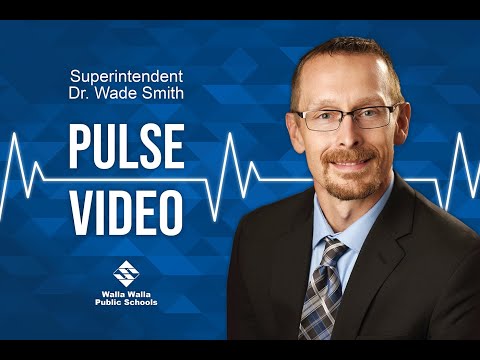
Wade Smith says Walla Walla schools rely on local property levies as state support falls
Summary
Wade Smith, superintendent for Walla Walla Public Schools, outlined how roughly 40% of school-related taxes are state-levied while about 60% come from locally approved bonds and levies; he warned that rising insurance and operating costs and a near-10% drop in state school funding over five years are straining the district.
Wade Smith, superintendent for Walla Walla Public Schools, said in a March update that the district depends heavily on property taxes, with about 40% of school-related taxes levied at the state level (listed on tax statements as "state school 1" and "state school 2") and roughly 60% coming from locally approved bonds and levies that remain in the community.
Smith said locally approved levies and bonds fund voter-approved initiatives and cited several specific rates: a renewal levy he described as capped at $2.50 per $1,000 of assessed value (renewed every four years), a school bond rate that has fallen from about $1.22 per $1,000 when passed in 2018 to $0.78, and a recently approved capital levy at $0.38 per $1,000 with five years remaining on its term. The district maintains a web page with explanations of those rates on its business department site, he said.
While acknowledging that "no one likes to pay taxes," Smith thanked the school board for what he called prudent leadership that has helped keep the district's school tax rates among the lowest in the region. He said the district is active in the current legislative session to press for a reversal of recent declines in state support. Smith said funding that once amounted to roughly 52% of the state's overall budget for schools has "plummeted by nearly 10% in the last 5 years," and he urged the state to restore funding levels to meet student needs.
Smith highlighted three spending priorities — special education funding, materials/supplies/operating costs (MSOCs), and transportation — that the district and a statewide coalition are pressing the legislature to address. As an example of rising costs, he said the district's liability insurance grew from about $800,000 in 2021 to nearly $2,000,000 in the current year, and that district insurance, utility and related costs exceed $4,000,000 while state contributions for those items are substantially lower (the exact state contribution amount was not specified in the message).
The district is continuing advocacy work at the state level and has posted explanatory material about local rates and levies on its website for taxpayers and community members.