Get Full Government Meeting Transcripts, Videos, & Alerts Forever!
Get email alerts on the School Funding topic
No spam. Unsubscribe anytime.
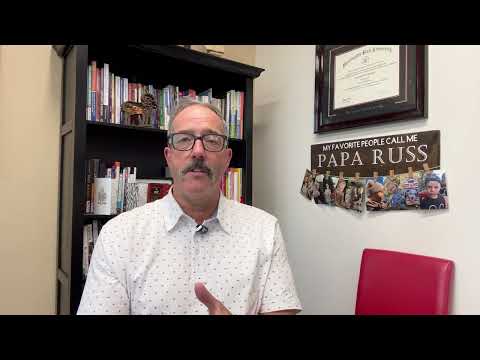
Ken Russell explains why Riverside School District asks voters for capital levies and bonds
Summary
Ken Russell outlines how federal (about 5–6%), state (about 85%) and local levy funds are allocated and why regular operating budgets cannot cover major capital projects, prompting districts to seek voter-approved capital levies or bonds.
Ken Russell said districts cannot use their regular operating budgets to pay for major capital projects and explained how federal, state and local funding are apportioned.
Russell, speaking in a brief recorded message, said "we get about 5 or 6% of our budget comes from the federal government," mainly for Title I and special education programs. He added that "the state budget makes up about 85% of our overall budget," which the state designates for "basic ed" — staff salaries and benefits that cover classroom instruction and core student services.
That funding mix leaves little room for capital projects, Russell said. "It's not built into the funding formula to pay for capital projects, modernizations or updates," he said, noting districts rely on a separate local educational programs and operations levy to cover enrichment programs such as extracurricular activities and athletics.
Russell gave specific budget figures to show the gap: the district's material, supply and operating allocation is about $230,000–$240,000 per year, while the district spends on average about $650,000 annually on those costs. "We use our local levy to offset the additional costs to run things," he said, framing that levy as support for programs outside of basic education funding.
Because operating dollars and the state funding formula do not cover major capital needs, Russell said districts "typically go out and ask their voters for, either capital levies or bonds." He explained the conventional distinction: bonds are usually used for new buildings or additions, while capital levies are typically for improving or updating existing facilities, including projects such as HVAC, safety and security upgrades.
Russell closed by offering a contact number for questions and a brief school cheer. He said listeners could call (509) 370-1717 for further information.
The explanation provides context for why Riverside School District — like other Washington districts — places capital levies or bond measures before voters when it needs funding for major facilities work rather than relying on the regular operating budget.