Get Full Government Meeting Transcripts, Videos, & Alerts Forever!
Get email alerts on the Referendum topic
No spam. Unsubscribe anytime.
Superintendent outlines $34 million capital referendum to rebuild early learning center
Summary
Mount Horeb Area School District officials presented a $34 million capital referendum proposal to attach a new early learning/primary center to the existing primary center, citing an aging 1968 building, safety and ADA needs, and an outreach plan including open houses, podcasts and mailers.
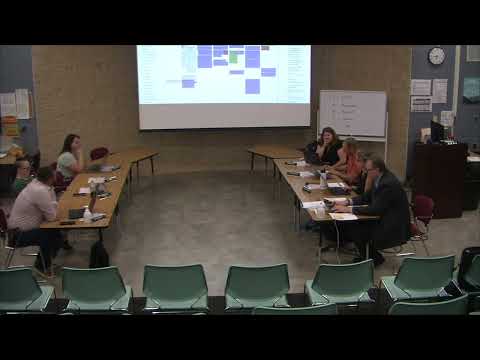
The Mount Horeb Area School District superintendent presented a proposed $34,000,000 capital referendum to the board on Sept. 16 that would fund an addition attached to the current primary center and a comprehensive set of facility upgrades across the district.
The superintendent said the plan responds to a facility-steering committeeprocess and a March survey that produced a weighted score of 54.1% in favor of the boardplan. "This is an ask thathas been well informed by the community and their feedback," the superintendent said, describing the proposal as the second phase of a long-range facility plan that began with a 2017 high-school referendum.
Why it matters: presenters said the early learning center (built in 1968) has aging systems — roofing, heating and ventilation, electrical and masonry — and undersized kindergarten instruction spaces that do not meet current Department of Public Instruction guidance. The district also flagged safety and accessibility concerns, including an outdated fire panel and playground ADA needs.
What the proposal would do: the schematic presented would add new classroom space, a true gymnasium and larger cafeteria space to free up existing areas for instruction and private counseling, expand parking and reconfigure traffic flow for bus and car drop-off, and incorporate geothermal heating where feasible. The superintendent described a phased design-build approach with a preliminary close-out date in late 2027.
Cost and financing: district staff framed the request as mindful of taxpayers, noting the districthas relatively low mill rates in the region and favorable bond ratings. Using conservative assumptions (20-year financing at 4.5% interest and 2% annual equalized assessed-value growth), the presentation estimated an annual tax impact of about $68 on a property with $100,000 equalized value.
Community support and outreach: presenters said the plan was shaped by a steering committee of parents, staff and community members and emphasized outreach to help voters understand the ballot question. The district plans letters to the editor, three podcasts (one already recorded with staff and architects), video tours, mailers, open houses and informal "coffee chats" in October and beyond. The superintendent asked board members to limit the number of board members participating in individual tour events to avoid creating a noticed meeting.
Board questions and clarification requests: board members pressed for clearer labeling on presentation slides (to show which building is which), suggested moving the ballot-question slide to the end of the presentation to focus on "why" the district is asking for funds first, and asked for an explicit explanation of how the survey weighted the 54.1% figure (presenters said the score weighted responses from residents without children at 70% over responses from families and employees). Board members also sought details about asbestos removal on early-learning flooring, why some masonry repairs were not completed earlier, and whether classroom-size needs were driven by changed instructional standards.
Next steps: the superintendent said the district will host community tours and open houses in the coming weeks, continue podcast and mailer outreach, and use community feedback to refine language and visuals. No formal referendum vote occurred at the Sept. 16 meeting; the presentation was informational and intended to shape outreach and voter education in advance of the ballot.