Get Full Government Meeting Transcripts, Videos, & Alerts Forever!
Get email alerts on the Equity topic
No spam. Unsubscribe anytime.
District outlines EDIB commitments, advisory/morning meeting work and student feedback
Summary
District staff presented the equity, diversity, inclusion and belonging (EDIB) plan, core commitments and measurement tools, and described advisory/morning meeting practices; student representatives shared mixed experiences with advisory time.
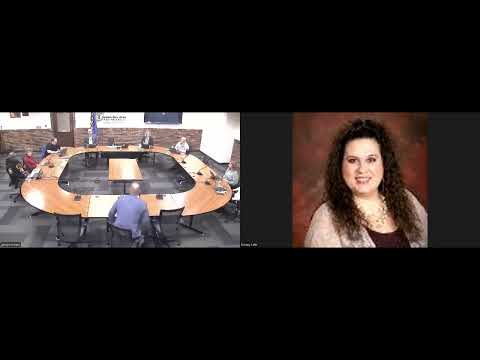
District administrators spent a major portion of the Nov. 11 work session updating trustees on equity, diversity, inclusion and belonging (EDIB) work, related professional learning and advisory/morning meeting practices aimed at improving students’ sense of belonging.
Presenters said the EDIB effort began after a 2021 survey and root‑cause analysis, with core commitments adopted in October 2022. The work spans departments and includes training for hiring supervisors, curriculum reviews for inclusiveness and classroom practices such as culturally and linguistically responsive (CLR) instruction and the use of "morning meeting" (elementary) and "advisory" (secondary) to build community.
The district uses Panorama and other screeners to measure sense of belonging and also monitors transition grades and other indicators. Staff noted that the Panorama results reflect a point in time and that some students may respond based on how long they have been at a school; staff said the district also offers a universal screener in grades 5 and 8 to obtain more student‑specific data.
Two student representatives described differing experiences with advisory. One said advisory felt engaging when teachers used intentional lessons and activities; another said in practice advisory sometimes functions like study hall, with students using phones or doing homework and little meaningful interaction. Board members acknowledged the mixed reports and discussed the need for consistent implementation and staff and student buy‑in.
Board members asked whether students—especially older students—could be recruited to give input on elementary design and the presenters encouraged students to attend community input sessions. Leaders said the EDIB work is tied to district strategic priorities and that progress will be reported regularly to the board.