Get Full Government Meeting Transcripts, Videos, & Alerts Forever!
Get email alerts on the School Finance topic
No spam. Unsubscribe anytime.
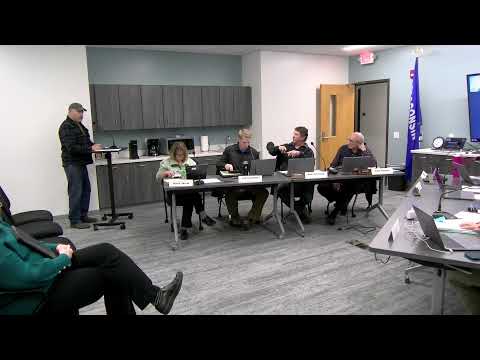
Residents press Tomorrow River School District board over steep property tax increases
Summary
At a school board meeting, residents said school portions of their property tax bills rose sharply—one citing increases of 54–71% or about $700—and pressed the district for answers. District staff pointed to a bond premium and two referendums as the drivers and said a detailed township-level breakdown will be published.
Residents pressed the Tomorrow River School District board during public comment about sharp increases in school-related property taxes, with several saying their bills rose hundreds of dollars this year.
"Mine went up $700," one resident said, adding that the district's social-media example showing a $213 increase on a $300,000 home did not match their experience. Another resident told the board the school portion of their bill rose 71% and said the increases were making households unable to afford expenses.
Board chair responded that the district only controls the levy amount — which the chair said "came in lower than we projected" — and that much of the change reflects factors outside the district set by the state of Wisconsin. The chair also noted several referendum-related charges that will end in 2027.
A district staff member explained the accounting that produced the spike: the district had a baseline levy near $4,000,000 before a building project, which created an additional payment of about $1,100,000. The staff member said a bond premium of roughly $600,000 was paid when the bond issued and therefore was not applied in a way that would have smoothed a tax increase in 2022. The district later passed a $500,000 operational referendum, bringing the current levy near $5.6 million compared with an expectation some residents had of about $5.1 million, the staff member said.
Robert Kulshinsky, a public commenter, pressed the board on whether it still uses the same financial advisor (named "Beard" in the audience exchange) and asked who was responsible for the missed application of funds or credits that residents had been told would prevent a spike. The staff member said the advisor is paid once a bond is issued and works on commission; the advisor was paid from the bond issue and remains engaged.
The chair said the district will publish a more detailed explanation — including township-level levy rates and how each township contributes to the district's tax burden — in an upcoming paper and on the district website, and asked to collect questions now so staff can provide a fuller breakdown.
No formal motions or votes on tax policy were recorded in the provided transcript segment; the exchange remained a public-comment and staff-explanation period. The board said it will follow up with written details for residents and township-level numbers.