Get Full Government Meeting Transcripts, Videos, & Alerts Forever!
Get email alerts on the Education Policy topic
No spam. Unsubscribe anytime.
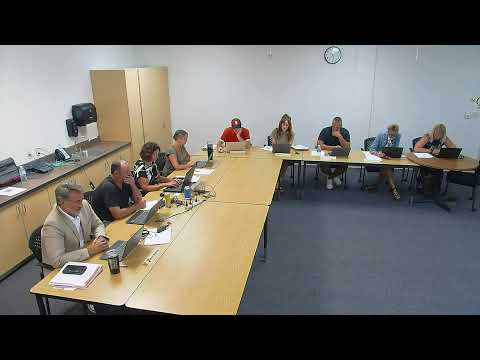
Somerset School District board debates new Title IX procedures in Policy 2264, defers final vote
Summary
At a board meeting to review policy updates, trustees scrutinized proposed Policy 2264'which adds pregnancy and other categories to discrimination protections and revises complaint procedures; officials agreed to highlight differences and defer a vote to the next meeting.
The Somerset School District board spent most of its meeting reviewing a proposed update to District Policy 2264, a Title IX'related set of procedures that would change how the district handles discrimination complaints and who is covered.
Board members and staff focused on several additions in the draft, including new protected categories such as "stereotypes, characteristics, and pregnancy-related conditions" and expanded options for how complaints are investigated and appealed. "This policy will take effect on 08/01/2024," the chair said while walking the board through the draft, noting where language differs from the district's existing policy.
The meeting opened with strong objections from a board member who has spoken publicly against the draft. The member argued the district is "running towards DEI" and warned the board not to implement changes while a federal injunction in Kansas is pending: "We have an injunction," the member said, urging the board to remove Policies 2264 and 2266 from consideration. Other trustees pushed back that the Kansas ruling does not automatically change Wisconsin law but acknowledged the ruling was being discussed in neighboring districts.
Abigail Bohata, who the agenda identifies in draft language as the district's designated Title IX coordinator and director of people services, described the district's current complaint process and said the revised draft does not vest sole decision-making authority in a single person. "When I receive a complaint, I have to put it against the definition and make sure it meets the definition of harassment or discrimination," Bohata said, adding that investigations have used separate investigators and that the new draft allows for an appeal to a different decision maker.
Supporters of the draft said it would expand the district's ability to address allegations proactively and add supportive measures and mediation options. "It obligates the district to address any type of discrimination whether someone files a complaint or not," one member noted, pointing to provisions that permit the district to act when it becomes aware of possible discrimination.
Opponents raised concerns over due process, administrative burden and costs for training. Some board members said the revised procedures would require additional training and recordkeeping and could lead to community backlash if not handled transparently. Members also questioned how the draft could intersect with athletics or restroom policies; administrators said the current text under review does not change sports participation rules but contains drafting notes that could have implications in those areas.
The board agreed on a procedural next step: trustees will highlight differences between the existing policy and the proposed draft, collect feedback, and revisit the matter next week. No final vote on Policy 2264 was taken at the meeting.
The board said it will continue the review at the next scheduled meeting, when members expect to vote on any final language and possible implementation details.