Get Full Government Meeting Transcripts, Videos, & Alerts Forever!
Get email alerts on the Land Sale Lihtc topic
No spam. Unsubscribe anytime.
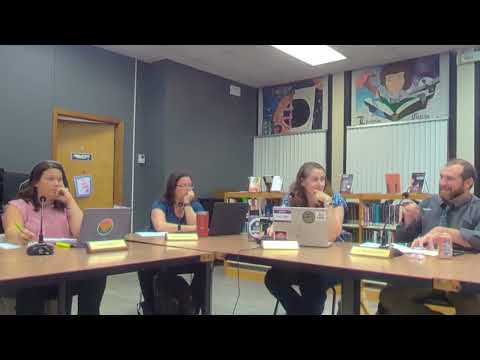
School board OKs intergovernmental agreement with village to pursue affordable‑housing grant, adopts language to protect Morgan Fields
Summary
The Yellow Springs School Board voted to approve an intergovernmental memorandum with the Village to pursue a possible 50‑unit low‑income housing tax credit (LIHTC) project on a 3.6‑acre parcel of Morgan Fields, and unanimously adopted amended language requiring that the district secure replacement athletic fields before selling school land.
The Yellow Springs School Board voted to approve an intergovernmental memorandum of understanding (IGM) with the Village of Yellow Springs to pursue a possible 50‑unit low‑income housing tax credit (LIHTC) project on a subdivided 3.6‑acre portion of Morgan Fields, and amended a district resolution to require replacement fields before any sale of school property.
Board President Judith opened the discussion by describing the district’s role in exploring the opportunity and the process so far, including a planning‑commission recommendation and village involvement in paying legal fees to seek release of a lien on the parcel. Legal counsel David told members that a school‑specific statute allows a board to contract directly with certain taxing subdivisions, such as a village, without a public auction.
After extensive questioning about the lien, the village’s pause on billing and competing interest from the Greene County ESC, the board adopted an amendment to a draft resolution that reads, in part, “the school district will not sell school land until the school district secures land to replace it for a similar use.” That amendment passed 5–0.
The motion to approve the intergovernmental memorandum passed 4–1. The agreement’s final signed language contained edits from the village and — as discussed during the meeting — contained conditions tied to unencumbering the parcel.
Public commenters urged caution and transparency. Laurie Askeland, a neighbor and correspondent on the matter, told the board the deed restriction on the nearby Spillane property is a private restrictive covenant and asked the board to honor the Mercer family’s intent; she said the neighborhood’s proposal was intended to provide small homes around common space and to preserve green character. Tony Absi, another neighbor, told the board opposition to removing deed restrictions: “Lifting this deed restriction removes protection to green space from the south end of Yellow Springs and violates the wishes of the Mercers who donated the land to the school board,” he said.
Superintendent Holden emphasized the district’s primary need for playable fields: “We must have adequate fields for my children. Right now, they do not have to cross the street. They do not have to get in a vehicle,” she said, arguing that any replacement land should allow students to access fields without transportation barriers.
The board also appointed Rebecca Potter as a second board representative to the intergovernmental panel for the project; that appointment passed by recorded roll call vote.
What happens next: the village and district continue due diligence, including obtaining written documentation from consultants and counsel about lien release. The IGM contains contingencies tied to unencumbering the parcel and to securing LIHTC funding; if those conditions are met, the parties may pursue a sale and the board has committed — by resolution language — that the district will not divest school land until replacement fields and appropriate funding are secured.