Get Full Government Meeting Transcripts, Videos, & Alerts Forever!
Get email alerts on the State Legislation Sb180 topic
No spam. Unsubscribe anytime.
Special counsel David Theriak says Senate Bill 180 bars Bonita Springs from adopting more restrictive land‑use rules until Oct. 1, 2027
Summary
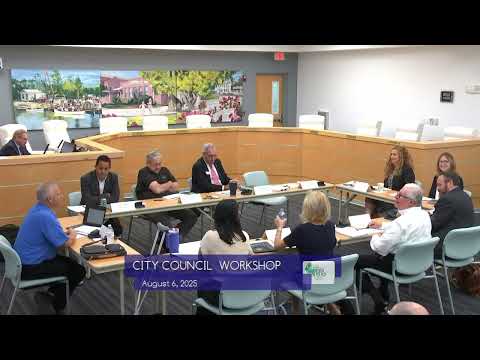
At a Bonita Springs City Council workshop, special legal counsel David Theriak and consultants reviewed Senate Bill 180, which counsel said prohibits the city from proposing or adopting more restrictive comprehensive‑plan or land‑development regulations (and certain procedures) through Oct. 1, 2027, and applies retroactively to Aug. 1, 2024, exposing local governments to potential lawsuits and attorney‑fee awards.
Special legal counsel David Theriak told the Bonita Springs City Council at a March workshop that Senate Bill 180 prevents the city from adopting moratoria or any comprehensive‑plan or land‑development amendments that are “more restrictive or burdensome” until Oct. 1, 2027, and that the statute reaches back to Aug. 1, 2024.
"Bonita Springs may not propose or adopt any moratorium on construction, reconstruction, or redevelopment ... and may not propose or adopt more restrictive or burdensome amendments to its comprehensive plan or land development regulations before 10/01/2027," Theriak summarized, citing section 28 of the law. He said the statute also contains an exception for private‑applicant initiated applications and an enforcement provision that lets a resident or business owner seek injunctive relief and attorney’s fees if they believe the city violated the section.
The nut graf: The law’s retroactivity and fee provisions have prompted other local governments to reconsider or repeal ordinances adopted after Aug. 1, 2024, and city counsel advised caution. Theriak said the statute includes a 14‑day "safe harbor": if a property owner sends a written notice alleging a violation and the city posts notice or repeals the identified action within 14 days, the statute’s fee award is not available to that challenger.
City staff and council members pressed for practical clarifications. Councilors asked whether variances, quasi‑judicial zoning decisions and other case‑by‑case approvals fall under the restriction. Counsel said quasi‑judicial variances that apply existing code criteria are unlikely to be treated as prohibited new restrictions, but warned that new unwritten procedures or additional submittal requirements might be vulnerable under the statute’s language.
Theriak and other attorneys described how other Florida jurisdictions have already reacted. "Most local governments right now are are looking at, are there any actions that they took prior to July 2025 back to August 2024 that is captured by section 28?" a presenter said, and the council heard an example of a pending challenge in Orange County where a developer filed for a preliminary injunction and an award of attorney’s fees.
Council members asked about options if the city wants to preserve protections (for example, wetlands or repetitive‑loss buyouts). Counsel suggested tools that are voluntary or incentive‑based — including transferable development rights or other market mechanisms — could be used to achieve policy aims without triggering the statute, but cautioned the details matter.
The city scheduled a follow‑up conference call with the Department of Commerce to review the department’s 2024 comments and confirm whether following those instructions would inadvertently trigger SB‑180 issues, and staff said they will bring a proposed resolution and additional analysis back to council as the legal and legislative picture evolves.
The workshop paused for a short break after the council agreed to consider counsel’s recommendations and follow up with state officials.