Get Full Government Meeting Transcripts, Videos, & Alerts Forever!
Get email alerts on the Morgan Fields topic
No spam. Unsubscribe anytime.
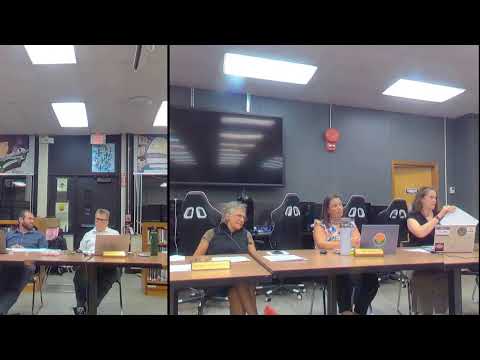
School board votes to pursue rezoning and subdivision of Morgan Fields parcel, pledges to replace soccer fields
Summary
After hours of public comment, the Yellow Springs Exempted Village school board approved a resolution to pursue subdivision and rezoning of a 3.6‑acre portion of Morgan Fields to allow the village to seek low‑income housing tax credits, while pledging not to sell land until a developer wins funding and suitable replacement athletic fields are secured.
The Yellow Springs Exempted Village school board voted 4–1 to approve a resolution authorizing steps to subdivide and rezone a 3.6‑acre portion of Morgan Fields and to pursue actions that could clear encumbrances and allow the village to seek a developer’s low‑income housing tax‑credit (LIHTC) application.
The resolution directs district representatives to: (a) pursue a subdivision of the parcel, (b) seek rezoning from residential A to residential C to permit higher‑density housing, and (c) work to identify and negotiate purchase of suitable replacement athletic fields should a sale proceed. The board’s packet and public comments referenced the state LIHTC opportunity and an application window that has shaped the timetable.
The motion to open the resolution was moved by a board member leading the process and seconded by the meeting chair; trustees voted 4 in favor and 1 opposed. The board’s approval authorizes staff and counsel to begin preparatory steps but does not itself transfer ownership.
Why it mattered: supporters said the site offered a rare chance to access an estimated $15 million in state tax credits toward roughly 50 affordable family apartments, which advocates say are needed to keep long‑time residents in town. Opponents and many parents warned that losing Morgan Fields would harm youth athletics, rec leagues and community events and pressed the board to make legally binding commitments to preserve recreational access.
What the board said: board leaders repeatedly told residents that no sale would occur unless a developer’s funding application succeeded and suitable replacement fields were identified. The board also highlighted legal hurdles: trustees described an existing COPs lien on district property tied to prior facilities financing and estimated counsel costs to clear encumbrances in the range of $20,000–$30,000.
Public reaction: students and parents spoke at length during two public‑comment blocks. Grayson Horn, a Yellow Springs High School student, said preserving Morgan Fields matters “because they’ve been almost like a second home” and urged the board to protect fields that support rec and school soccer. Parent Matthew Kirk urged the board to require a reversion or other legal condition so the land would return to the district if a LIHTC project did not proceed. Resident Tony Dosek, citing a community survey, argued that about one‑third of current residents could benefit from affordable housing and that state tax credits are the only practical route to build such housing.
Key numbers and constraints: the board discussed subdividing 3.6 acres of Morgan Fields; the LIHTC application cited in discussion targets roughly $15 million (the packet referenced projects of similar scale and about 50 units); district staff also noted a separate capital‑finance package (described in the meeting as a $28 million COPs issuance for facilities work) that uses portions of district property as collateral, which could complicate sale until lenders or trustees agree to release encumbrances.
Next steps: the resolution authorizes staff to submit applications (survey and rezoning) to village planning and to continue negotiations with the village and potential developers while the board and staff pursue legal advice and practical plans for replacement fields. Board members said they plan to seek an opinion from legal counsel and to coordinate with village officials and community groups; they also suggested a joint public meeting with village council to provide more information to the public.
The vote: 4 approved, 1 opposed. The board emphasized that any final sale would require further board action and that the district would not transfer ownership without both a successful funding outcome and viable plans for replacement athletic facilities.