Get Full Government Meeting Transcripts, Videos, & Alerts Forever!
Get email alerts on the Regionalization topic
No spam. Unsubscribe anytime.
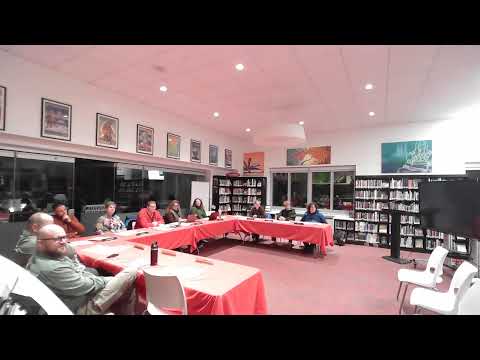
Saranac Lake board declines to participate in NYSED regionalization initiative
Summary
At its Jan. 8 meeting the Saranac Lake Central School District board voted against participating in the NYSED regionalization planning process, citing data burdens, limited local aid ratios and uncertain benefits; administration said districts must decide by Jan. 15.
At its Jan. 8 education meeting, the Saranac Lake Central School District board voted against participating in the New York State Education Department(NYSED) regionalization planning process, after a lengthy exchange about costs, aid ratios and the time required to complete state forms.
The decision came after Superintendent Diane urged the board to weigh pros and cons of participation. Diane said regionalization planning "gives us a seat at the table," but warned the process requires extensive data entry and ongoing meetings. She noted a local aid ratio of about 36%, saying, "for every dollar we spend, we get 36¢ back," and argued that decisions made at a regional table can increase district costs that would be shared across component districts.
Board members questioned whether the effort was worth the administrative burden. One member objected to duplicative manual data entry for a 47-page plan that the state already collects elsewhere. Another asked whether the statehad made participation optional; board members were told the regulation was changed to allow districts to opt out, but that the first-stage plan is a recurring requirement every 10 years and the timeline is uncertain. Administration advised members that an opt-out resolution would be needed if the board wished to decline formally and that the district needed to decide by Jan. 15.
After discussion the board considered a motion on whether to participate. The motion to participate did not carry and the board did not sign up to take part in the regionalization planning process.
The superintendent and several members said opting out preserves local administrative bandwidth and avoids potential new costs through BOCES administrative budgets; supporters of participation said being involved preserves the districtvoice in regional decisions. The board did not adopt any follow-up directive beyond the vote to decline participation.
The meeting record shows the exchange centered on whether the district should accept the stateprocess and on short-term deadlines; administration said it would provide the exact opt-out language and deadline to the board before the filing date.
The board moved on to other business after the vote.