Get Full Government Meeting Transcripts, Videos, & Alerts Forever!
Get email alerts on the Foreign Influence topic
No spam. Unsubscribe anytime.
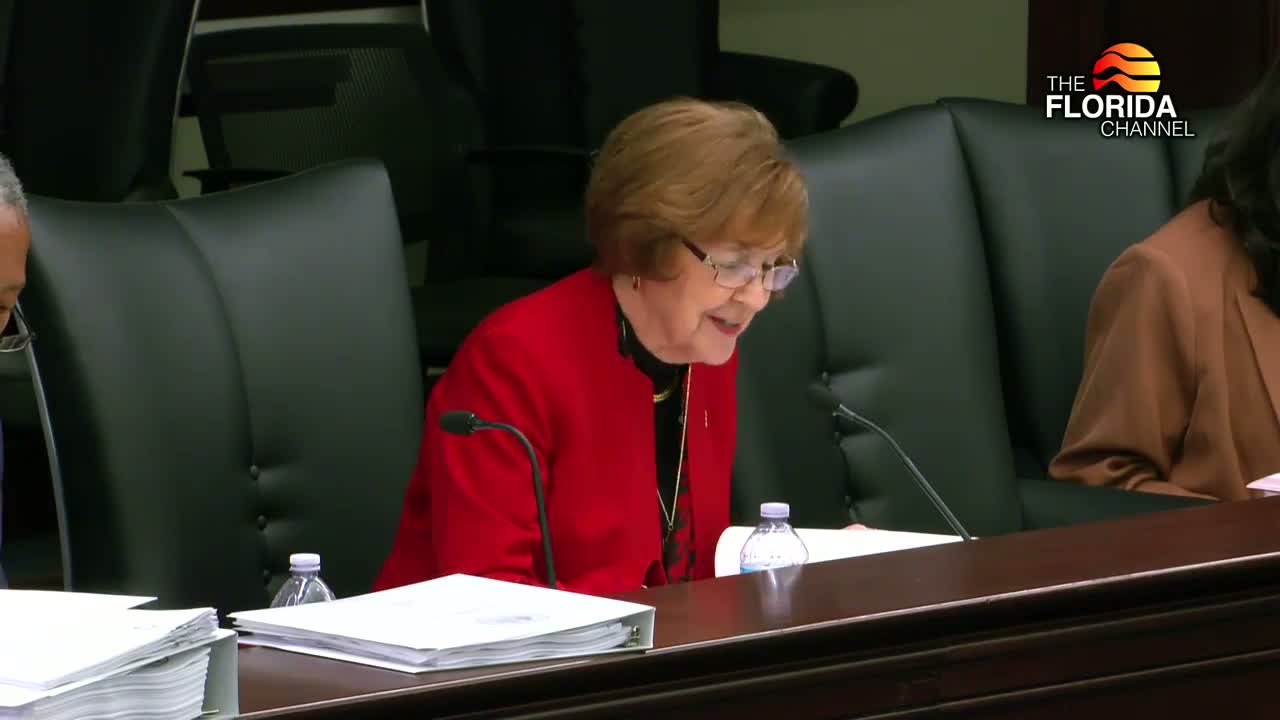
Senate panel adopts foreign‑influence bill with contentious late surrogacy curbs after hour‑long debate
Summary
CS/CS for SB 1178, aimed at limiting foreign influence in government contracting and lobbying, was amended to add new prohibitions and a controversial restriction on surrogacy arrangements; the late‑file amendment prompted procedural objections and prolonged debate before the committee adopted it and reported the bill favorably.
The Appropriations Committee on Feb. 17 took up CS for CS for SB 1178, a measure to strengthen limits on foreign influence and foreign‑controlled contractors. The bill would expand disclosure requirements for lobbyists representing entities with foreign ownership, ban certain government IT contracts that provide foreign actors access to sensitive systems, and forbid gifts from foreign countries of concern.
Late amendment and surrogacy language: A late‑file delete‑all amendment introduced substantial new language, including a provision that in many gestational‑surrogacy and preplanned adoption contracts requires the surrogate and the intended parents to be U.S. citizens or lawful permanent residents and that at least one intended parent be domiciled in Florida. That surrogacy language generated intense questioning and cross‑examination from committee members on constitutional and practical grounds, and drew objections about process and germane rules. Senator Polsky raised a point of order arguing the late amendment was not germane and said the committee lacked time for vetting; the chair overruled and the amendment was allowed, then debated and adopted.
Supporters’ rationale: Proponents, including the amendment sponsor, argued the change targets a growing, unregulated practice of international surrogacy arrangements that can be used by foreign actors to game U.S. laws or create “surrogacy tourism.” They cited press investigations alleging large‑scale arrangements that, they said, point to a risk of exploitation and an absence of proper background screening.
Opponents’ concerns: Opponents — including adoption and assisted reproduction attorneys and several senators — warned the language is broad, could push surrogacy law and contracts out of Florida (leaving surrogates with fewer protections), and may raise national‑origin discrimination concerns under state civil‑rights laws. Practitioners warned the draft could push arrangements to other states and leave Florida surrogates with less protection. Several senators also objected to introducing complex, precedent‑setting language at the last committee stop without stakeholder testimony and fiscal or legal analysis.
Outcome: After extensive debate and amendments, the committee adopted the late‑file amendment and reported the bill favorably. Sponsors said they will work on clarifying language before floor consideration to address enforcement, jurisdiction, and civil‑rights concerns.
Ending: The bill now moves forward; the surrogacy provisions will likely draw attention from legal experts and reproductive‑law stakeholders as language is refined.