Get Full Government Meeting Transcripts, Videos, & Alerts Forever!
Get email alerts on the Algae Water Treatment topic
No spam. Unsubscribe anytime.
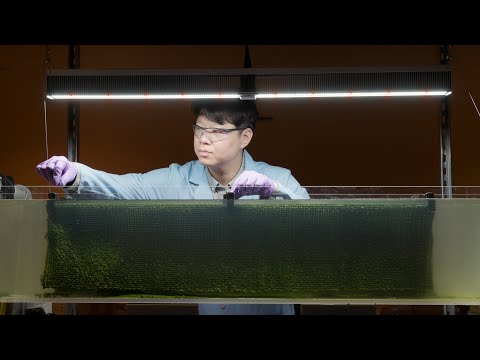
Presenter says turf algae can clean water, capture CO2 and recover metals
Summary
A presenter outlined research showing turf algae can remove nutrients, metals, organics and CO2 from water, produce biomass for commodities, and potentially enable remote water reuse and critical-metal reclamation.
A presenter outlined research proposing turf algae as a multi‑purpose tool to clean water, capture carbon dioxide and recover metals.
The presenter said the organisms can remove "nutrients, metals, CO2, and organics in the water," and pointed to biomass as a potential feedstock for bio‑based commodities. The presenter framed the approach as deliberately "putting algae where we want it," describing engineered systems that capture pollutants that otherwise promote unwanted algal growth.
On carbon capture, the presenter said turf algae can take CO2 directly from the air and quantified the potential: "1 ton of algae represents well over 1 ton of CO2 capture." The presenter described that capability as one of the key advantages of using turf algae in engineered settings.
The speaker also highlighted an unexpected result: "we were really surprised to see the amount of metal sequestration in this biomass." They said that metal uptake opens prospects for recovering critical metals alongside nutrient recapture and CO2 capture.
Looking toward application, the presenter said the technology is being deployed as a component of "remote and rural water reuse," and that researchers see "great prospects for dilute nutrient recapture, as well as reclamation of critical metals alongside CO2 capture." They described the work as applying some of the smallest organisms and the base of the food chain to address interconnected environmental problems.
The presentation did not record formal votes or regulatory actions; the remarks were descriptive of ongoing research and deployment plans.