
Madison council holds first reading on Unified Development Ordinance; staff outlines major zoning changes
Get AI-powered insights, summaries, and transcripts
Subscribe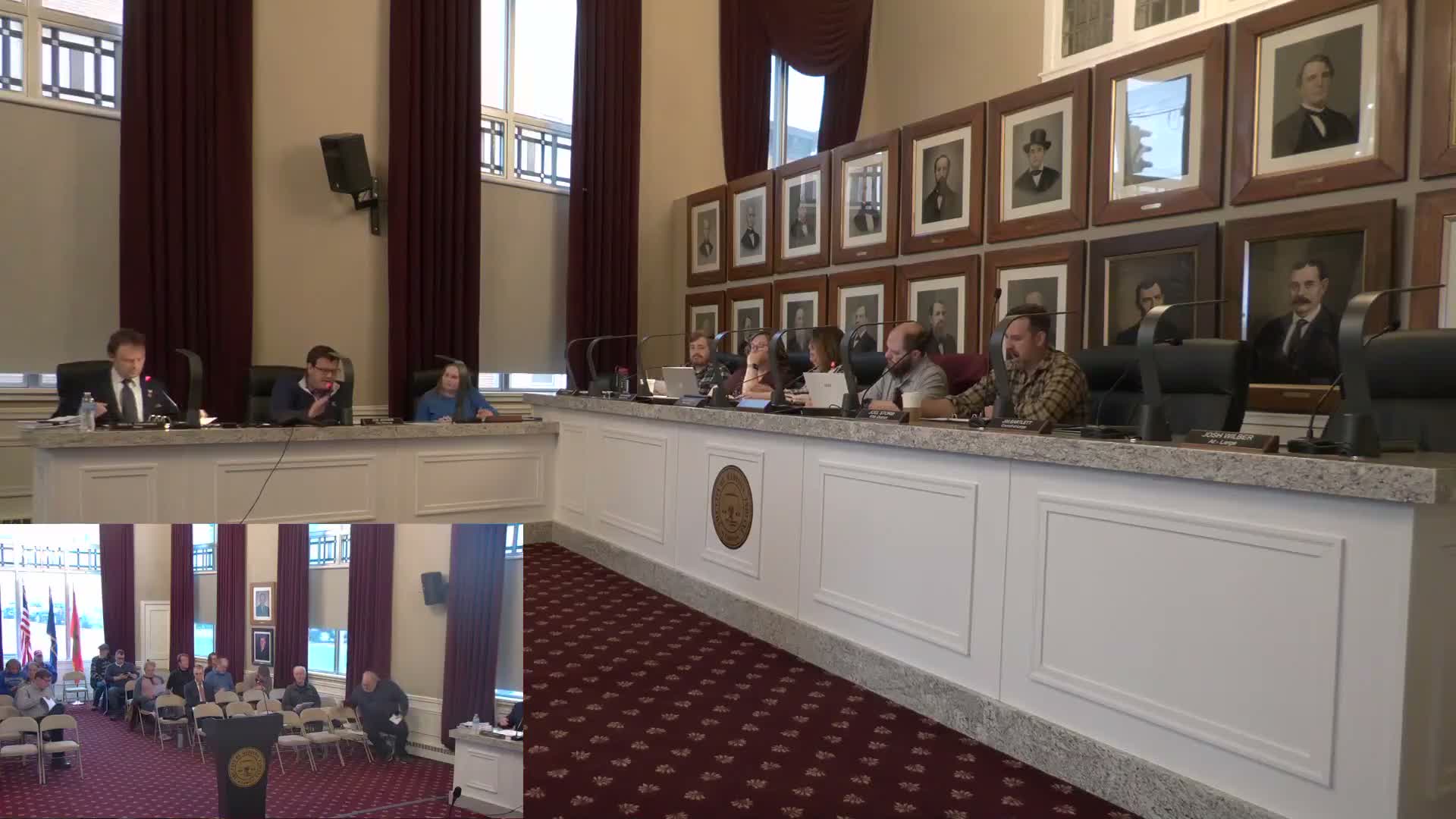
Summary
City planning staff gave a detailed presentation on a proposed Unified Development Ordinance intended to modernize Madison's zoning and subdivision rules; residents raised concerns about riverfront size limits, commercial-solar setbacks for RA parcels and multifamily uses. Council opened public comment and scheduled future review steps.
The City of Madison Common Council took up the first reading of ordinance 20-26-4 on March 3, initiating the adoption process for a Unified Development Ordinance intended to replace the existing zoning ordinance and subdivision regulations.
Amy Williams, the city’s planning and zoning administrator, told the council the proposed UDO (adoption draft dated 12/30/2025) consolidates zoning and subdivision rules the city has used for decades and incorporates recommended updates from a 16-month drafting process. Williams said the draft includes changes to impervious-surface rules (10% maximum for tracts of five acres or larger, and 40% for smaller parcels), standardization of minimum living areas across districts, clarified rear- and side-setback language with a limited exception for older historic structures in HDR, and a number of use-table adjustments (separating daycare/playground categories, clarifying medical-office and pain-management uses, and calling out data-center and loft-dwelling definitions).
Williams also summarized chapter-level updates: revised parking dimensions and landscaped-area requirements; optional internal subdivision sidewalks for septic-served lots; new building-permit timelines (start within six months, completion within 18 months with extensions allowed); and four planning-commission amendments recommended for council consideration. The amendments include a clearer riverfront setback entry in the table, restricting restaurants/service retail in open-space parcels to a maximum of 1,500 square feet, adjusted buffer-yard/parking encroachment language for small general-business parcels, and several technical cross-reference fixes.
On a technical point, Williams and councilors discussed language in the repeal section that references portions of chapter 150 of the municipal code. Williams recommended preserving subsections of the existing building-code penalties (150.98 and 150.99 a–c) to retain enforcement authority while removing billboard penalties (150.99 d). Council members asked staff to craft precise amendment wording before a later reading.
During public comment residents questioned several elements of the draft. Tammy Hegemeier (Scion Lanthier Winery) asked why open-space and riverfront uses were capped at 1,500 square feet; councilors and staff said the riverfront district was created to concentrate larger investment in a three-block area and to keep most riverfront open space limited to small-scale uses. Warren Ochsner urged adding the Residential Agricultural (RA) district to a 500-foot commercial-solar setback provision and recommended multifamily development be treated as a special exception in several commercial districts rather than an automatic permitted use; Paula Weatherby echoed a request to add RA setbacks, saying residents’ quality of life should be preserved.
Williams said staff plans a six-month assessment after adoption and annual reviews thereafter to keep the UDO current with state statute changes. The mayor noted the UDO work aligns with recent state planning-and-zoning legislation focusing on housing production.
Council opened the floor to public comment and will take subsequent readings; no final vote on the UDO was taken at the March 3 meeting.
The council directed staff to prepare clean and redline versions of the UDO showing the planning-commission amendments and the proposed repeal-language revision for consideration at later readings.