Report: Whale entanglements constrain Dungeness crab fishery; entanglement reports down from peak years
Loading...
Summary
Council presenters said confirmed West Coast whale entanglement reports in 2025 were below the 2015–18 peak and slightly lower than 2024, but humpbacks remain the most reported species and entanglement risk led to closures and gear restrictions—California's Dungeness crab fishery faced season‑long restrictions.
Council members were briefed on whale entanglement patterns and management responses in 2025. Mary Hunsicker said confirmed West Coast entanglement reports in 2025 were below the 2015–18 peak years and slightly lower than 2024, with humpback whales the most commonly reported species.
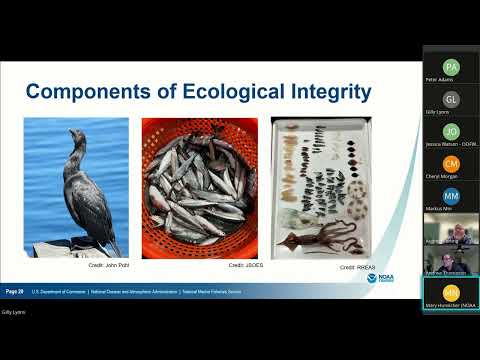
The presentation connected changes in prey distribution and habitat compression to increased nearshore whale presence, which in turn raises entanglement risk. Mary said the distribution of domoic acid and compressed prey patches was likely drawing whales shoreward in some areas and increasing interactions with gear.
Management actions and consequences: the presenters reported fishery closures in Central and Northern California in 2025 and gear‑based depth restrictions and reductions in Oregon and Washington. Mary noted that 2025 marked the seventh consecutive year that commercial Dungeness crab openings were delayed in California because of entanglement risk and the first year the California fishery operated under some restrictions for the entire season.
Panelists also discussed response and attribution: the report includes summary information on gear types implicated in entanglements but acknowledged challenges assigning a single gear type in many cases. The Council's discussion noted ongoing work on line and gear‑marking proposals (a federal register notice on sablefish pot gear line marking was referenced during Q&A) and emphasized NOAA response teams and take‑reduction teams that compile entanglement records and conduct disentanglement or mitigation work.
What presenters said next: the panel encouraged use of published entanglement datasets and upcoming presentations (for example, Cascadia Research and take‑reduction team briefings) to better link prey dynamics, seasonality and entanglement risk.