Legislature urges New York to declare EMS an essential service, citing patchwork response
Loading...
Summary
The Tompkins County Legislature unanimously passed a resolution urging the state to designate emergency medical services as essential, citing inconsistent service models across municipalities and the potential to enable countywide planning and ambulance districts.
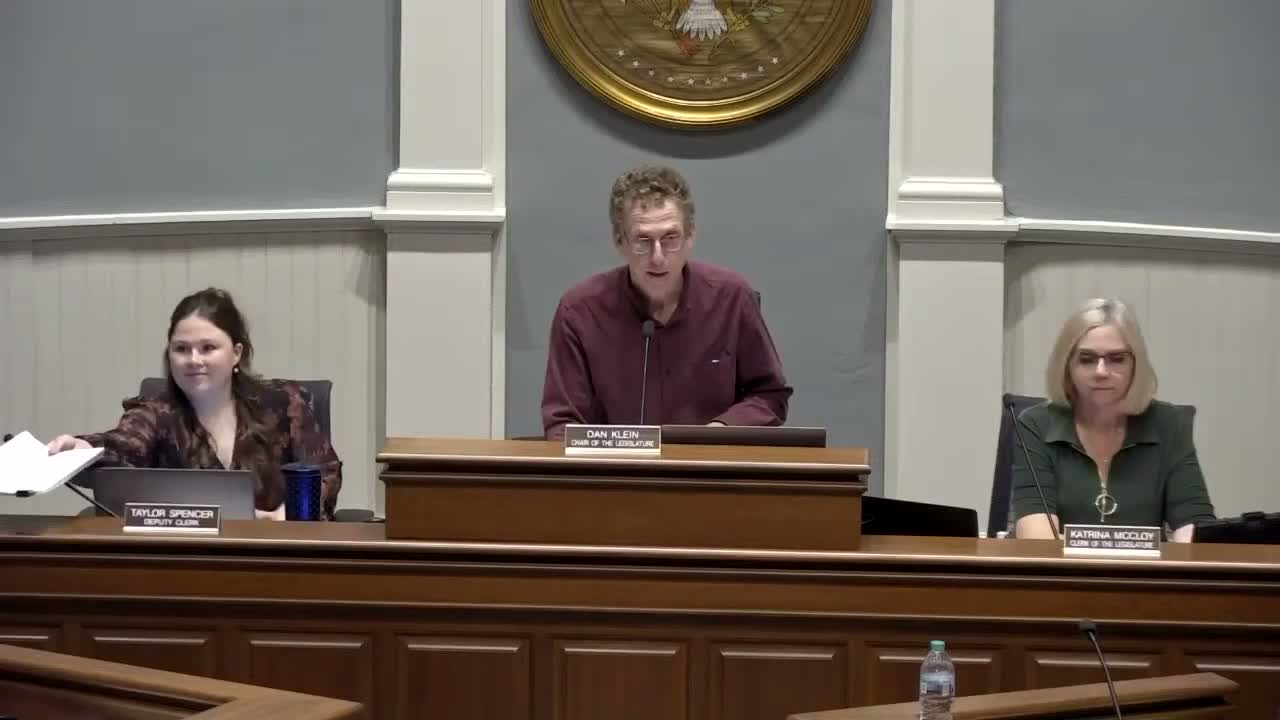
The Tompkins County Legislature voted unanimously on Nov. 19 to urge New York State to designate emergency medical services as an essential service, a move supporters said would allow counties to plan and organize ambulance coverage more equitably.
Dan Lam, deputy supervisor for the Town of Dryden and a member of the Tompkins County Council of Governments emergency management committee, framed the resolution by saying many local calls are EMS-related and that current coverage is a patchwork of private and volunteer providers. "Forty percent of Dryden Ambulance's calls go outside our town," Lam said, and he argued that the essential-service designation would permit counties to develop countywide plans and create ambulance districts similar to town fire districts.
Speakers from neighboring towns and volunteer leaders supported the resolution on the record while acknowledging municipal concerns about unfunded mandates. Robert Lynch, an Enfield Town Board member speaking for himself, warned the legislature that smaller towns without paid ambulance services could face fiscal strain if the policy were implemented without parallel state funding. "We cannot afford an ambulance service," Lynch said, urging caution and additional study.
Legislators emphasized the intent of the resolution is to press the state to enable county-level planning and coordination rather than to require every town to individually create services. Lee Shirtliff, who has long worked on EMS restructuring issues, said the legislation moving through Albany appears intended to require cooperative planning and allow flexible local implementation rather than impose a single model.
The resolution passed 14—0 on a recorded voice vote. Supporters said the county-level planning option would give local governments tools to secure more uniform coverage and reduce gaps in response times across rural and suburban areas.
Next steps noted in the meeting: staff will continue to follow legislation in Albany and the legislature encouraged municipalities and county committees to keep working on coordinated plans and funding options.