Get Full Government Meeting Transcripts, Videos, & Alerts Forever!
Get email alerts on the Housing Affordable topic
No spam. Unsubscribe anytime.
Holland City Council approves CAPER report on CDBG spending, cites home‑repair focus
Summary
The council unanimously approved the city’s Consolidated Annual Performance and Evaluation Report (CAPER) for the 2023–24 CDBG year after staff described $396,008.44 in expenditures, a reserve of roughly $170,000, and assistance to 42 homeowners, with most dollars spent on home repairs.
The Holland City Council on Sept. 18 voted unanimously to approve the city’s Consolidated Annual Performance and Evaluation Report (CAPER) for the 2023–24 Community Development Block Grant (CDBG) program year, a required report to the U.S. Department of Housing and Urban Development.
The CAPER, presented by city staff member Mark Cornelis, reports $396,008.44 in expenditures for the program year and a year‑end reserve of about $170,000 carried into the current year. Cornelis told the council roughly 68% of the spending went to a home‑repair program that assisted 42 homeowners; the average project cost in the program year was $8,003.88 and the CDBG share averaged about 61% of each project.
Why it matters: CDBG is federal entitlement funding tied to HUD rules on eligible activities and public‑participation requirements. The CAPER is the city’s annual accounting of how the grant supported housing, public services and other community development activities.
Cornelis said COVID‑era delays left some unspent balances that allowed the city to spend slightly more than its annual allocation in 2023–24. He described the program’s income tiers (HUD income bands for area median income) and said the home‑repair projects skewed toward smaller households, single‑ or elderly‑headed households, and included 19% of households identifying as Hispanic/Latino. He credited HomeCorp with assisting 12 of the 42 projects by covering financing gaps.
Cornelis also summarized subrecipient agreements that receive portions of the CDBG allocation: Lakeshore Habitat for Humanity (down‑payment/closing cost assistance roughly described as $6,500 per assisted household), Community Action House and Good Samaritan Ministries (public‑service funds focused on homelessness prevention), and the Fair Housing Center of West Michigan (education, outreach and enforcement assistance).
Council members asked for clarification of income thresholds, average household size and how applicants are identified. Cornelis explained the HUD grid based on household size and said staff and neighborhood connector organizations, HomeCorp, and the city newsletter are primary outreach channels.
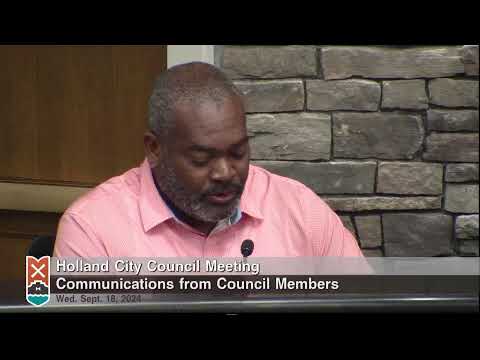
After a required public hearing produced no comments, Council Member Byrd moved to approve the CAPER, Council Member Shea supported, the clerk called the roll and the motion carried unanimously.
Next steps: The CAPER will be submitted to HUD by the city as the required annual report. Staff said they will continue outreach through neighborhood connectors and partner agencies to increase awareness and program takeup.