
Bill would exempt property managers from state debt‑collector licensing for routine rent collection; consumer groups oppose
Get AI-powered insights, summaries, and transcripts
Subscribe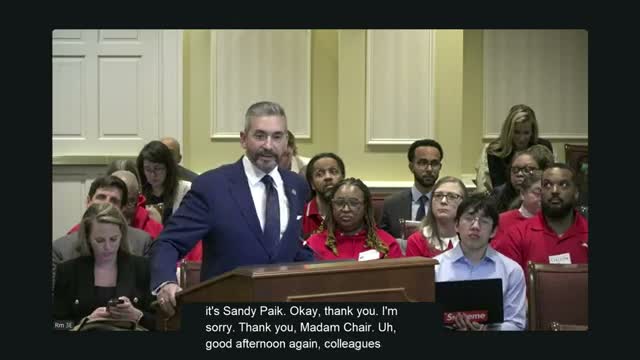
Summary
SB 589 seeks to clarify that property managers whose primary business is property management are not 'debt collectors' under the Maryland Collection Agency Licensing Act when collecting rent incidental to management; landlord‑industry witnesses supported the change, while OFR, the Attorney General's consumer unit and tenant advocates warned it would remove an important statewide oversight tool and harm renters.
Senator Ben Kramer told the Finance Committee SB 589 would codify a distinction he said was affirmed by a recent circuit court decision (Smith v. Buzzuto Management) and would prevent property managers from being treated as debt collectors when the rent collection is incidental to property management. Kramer said the bill preserves tenant protections under the Maryland Consumer Debt Collection Act and the Consumer Protection Act while preventing what he called regulatory overreach.
Property‑management trade groups (AOBA, Maryland Multi‑Housing Association, Tower Companies) and counsel for multifamily owners testified the MCALA licensing process is onerous for property managers, who often perform maintenance and tenant services rather than third‑party debt buying. They warned that treating routine lease enforcement as debt collection would increase costs and reduce housing affordability.
OFR deputy commissioner Kat Hyland and the Office of the Attorney General’s housing unit (Kiri Wolpone Welborn) urged an unfavorable report, arguing long‑standing interpretations and enforcement show third‑party property management entities that collect consumer rent have for years been subject to licensure and that the licensing board already supervises rental‑related collection practices. Tenant advocates and legal services groups stressed enforcement has produced restitution and protections for renters in past final orders.
Committee debate focused on conflicting legal interpretations: proponents cited the recent circuit court ruling that called the prior enforcement posture 'not on point' while opponents noted binding appellate decisions and AG opinions. Some committee members asked OFR for data on pending applications and complaints; OFR reported four complaints in the prior six months and roughly 1,048 licensed collection agencies statewide (approximately 70 property‑management related licensees). The hearing concluded with no immediate vote.