Get AI Briefings, Transcripts & Alerts on Local & National Government Meetings — Forever.
Bill to tighten construction certificate requirements and make contractors liable for unpaid wages draws union support
Summary
HB 260 would expand certificate‑of‑fitness enforcement for plumbing and electrical work, create civil administrative fines, and make general contractors jointly and severally liable for unpaid wages by subcontractors. Labor and trade witnesses told the committee stronger administrative enforcement and upstream liability would speed recovery for cheated workers and improve safety.
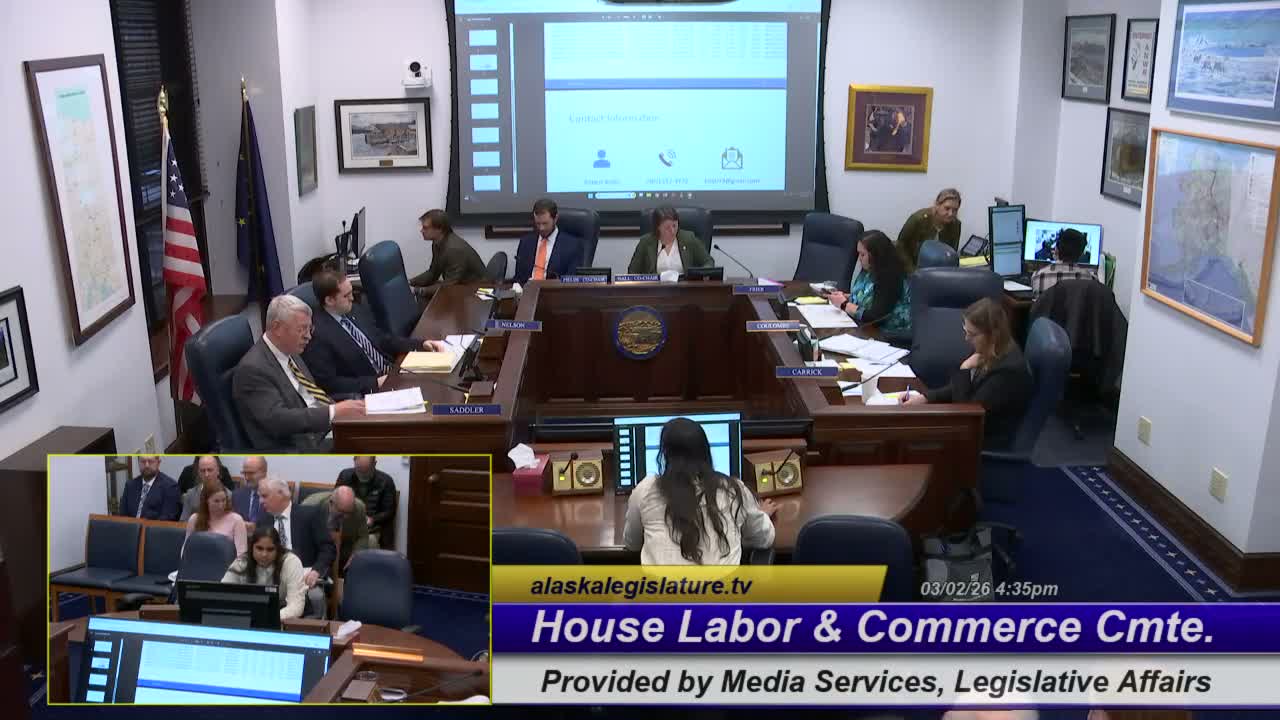
Representative Andy Josephson sponsored HB 260 and presented it on March 2 to the House Labor and Commerce Committee as a two‑part reform: (1) broaden and enforce certificate‑of‑fitness (COF) requirements for trade work such as plumbing and electrical and move penalties into administrative hearings with higher fines and remediable sanctions; and (2) create a rebuttable presumption that workers on a project are employees of the prime contractor and make general contractors jointly and severally liable for unpaid wages with subrogation rights against responsible subcontractors.
Why sponsors say it is needed: Josephson and invited testifiers described widespread misclassification and weak enforcement. Morris Grutsley (Western States Carpenters) said similar laws in other states allowed cheated workers to recover wages faster, increased industry compliance, and helped recover lost tax revenue; Alden Zellhuber (business manager, Plumbers & Pipefitters Local 262) described very limited historic enforcement capacity (few inspectors statewide for many years) and said convictions under the old misdemeanor scheme were near zero.
Key provisions covered at the hearing: the bill would raise penalties for operating without required COFs (moving enforcement to the Office of Administrative Hearings), create an information‑exchange requirement so contractors can vet subcontractors’ compliance, and establish joint and several liability for unpaid wages on public and large private projects with stated exceptions (unions with grievance processes, small residential projects, principal residences). Subrogation would allow a general contractor who covers unpaid wages to seek reimbursement from the responsible subcontractor.
Questions and concerns: committee members asked how violations are discovered and enforced, whether escalating financial penalties would be appropriate instead of license revocation on a second offense, and how other states structure penalties and license sanctions. Testifiers described tiered penalty systems in other jurisdictions and emphasized administrative remedies to improve enforceability.
Outcome and next steps: the committee set an amendment deadline for HB 260 (March 9 at 10:00 AM), accepted invited testimony, and set the bill aside for further committee work.