Get Full Government Meeting Transcripts, Videos, & Alerts Forever!
Get email alerts on the Conservation Easement topic
No spam. Unsubscribe anytime.
Board approves conservation easement on former Krueger farm in York County
Summary
After a public hearing with testimony from Nebraska Land Trust and local residents, commissioners approved a conservation easement to protect about 74–80 acres of former George Krueger farmland and woodlands along Lincoln Creek; the trust said it will monitor the easement and sell the parcel back into private ownership under the easement.
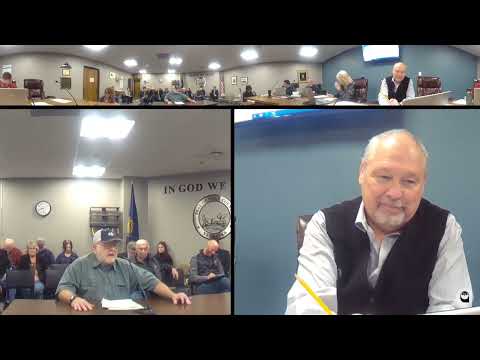
The York County Board of Commissioners on Feb. 20 approved a conservation easement on a parcel formerly owned by George Krueger, following a public hearing at which the Nebraska Land Trust described the parcel’s natural and agricultural values and answered questions about monitoring and enforcement.
Nathan Hines, the county zoning administrator, told the board the planning commission met Jan. 25 and forwarded the easement recommendation with unanimous approval and no conditions. Hines explained the county’s regulations and state statute treat a conservation easement like a conditional-use permit, which allows the board to add conditions if it chooses.
Dave Sands, executive director of the Nebraska Land Trust, summarized the trust’s mission and the property’s features: riparian woodlands along Lincoln Creek with mature trees, grassland and prime farmland. "We are wanting to fulfill George's wishes of keeping the woodlands," Sands said, describing an earlier conservation easement Mr. Krueger placed on another Seward County property and saying the 74-acre York County parcel was transferred to the trust after Mr. Krueger’s partner passed.
Sands said the trust’s plan is to secure the easement and then sell the land at auction back into private ownership with the easement in place to keep the land available for agriculture. When asked how violations are handled, Sands said the trust conducts at least annual monitoring visits and ordinarily resolves violations amicably; he told commissioners his organization had only recorded two easement violations out of about 50 easements in two decades, both resolved without court action.
After brief public remarks from local residents in support of conservation, the board moved, seconded and approved the easement on roll call.
Why it matters: The easement preserves farmland and woodland habitat on private land in perpetuity, consistent with the landowner’s wishes and the trust’s mission to conserve working agricultural land in Nebraska. The land trust’s annual monitoring and the easement’s restrictions are the primary mechanisms the county will rely on to ensure continued agricultural use.
What’s next: The trust plans an auction for the parcel this week; commissioners requested the trust provide usual monitoring reports and noted the trust’s fiduciary responsibility to enforce the easement provisions.