
Teachers and union president tell Temecula Valley Unified board pay lag, higher medical costs threaten retention
Get AI-powered insights, summaries, and transcripts
Sign Up Free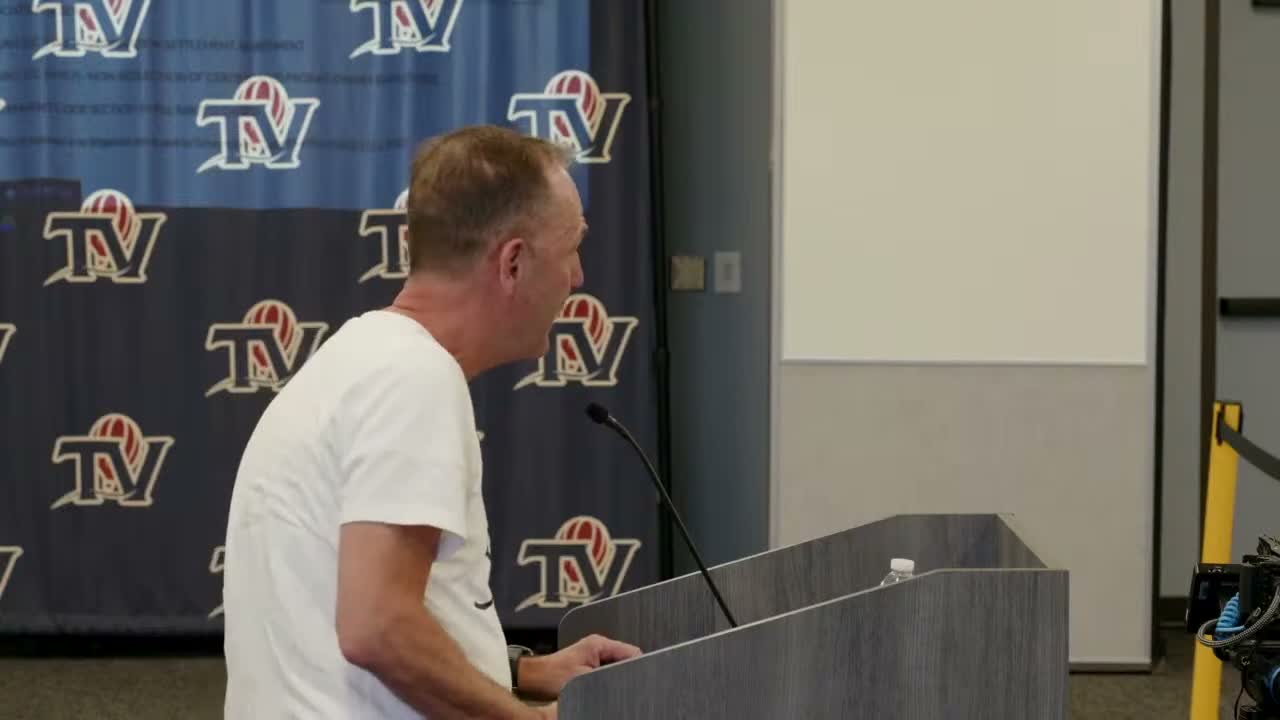
Summary
Multiple public commenters, including a Chaparral High teacher and the Temecula Valley Educators president, urged the board to speed contract talks and address a growing compensation gap with neighboring districts, highlighting recruitment risks and rising employee medical contributions.
Several teachers and union leaders urged the Temecula Valley Unified School District board on Tuesday to prioritize teacher pay and benefits, saying protracted contract negotiations and rising out-of-pocket medical costs are driving experienced staff to other districts.
"For consecutive years, we've had negotiations linger well into the spring semester, which teacher compensation is no longer competitive in our district," said Rob Claus, a teacher at Chaparral High School. Claus told the board that a veteran teacher in neighboring Murrieta will earn about $10,000 more this school year than a veteran teacher in Temecula — roughly $8,500 in salary and $1,500 in off-schedule pay — and urged the board to investigate why the gap has widened.
Ed Cardias, president of Temecula Valley Educators, said the district faces "a race to the bottom" on compensation and described how medical contributions for employees have grown. "Now most of our people are paying $1,000 to $1,600 to cover their family," Cardias said, adding that employees who once received free family medical care now face substantial new costs.
Kimberly Dela Cruz, another public commenter, said past settlements sometimes yielded increases above COLA and said current offers do not keep pace with rising costs. She warned against removing pay items from the schedule and urged the board to adopt a "decent compensation package."
Claus also questioned district staffing and spending, saying district office staffing has grown despite falling enrollment and noting that unaudited September actuals showed an ending fund balance "millions greater" than projected in June. "We're not broke and our reserves are robust," he said, framing the call for faster negotiations as both a fiscal and morale issue for classroom teachers.
The board did not take public action on compensation during the meeting; the comments were made during the general public-comment period before the board moved into closed session. The speakers asked the board to consider timelier settlements, a review of district staffing and expenditures, and to preserve off-schedule pay and other elements that affect long-term compensation and retention.
The board moved into closed session after public comment; no wage or contract decisions were recorded in the open meeting minutes on Tuesday.