Get Full Government Meeting Transcripts, Videos, & Alerts Forever!
Get email alerts on the Historic Preservation topic
No spam. Unsubscribe anytime.
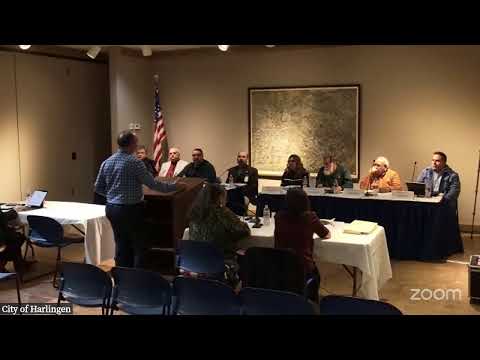
Harlingen hears Texas Historical Commission on steps, rules and grants for Certified Local Government status
Summary
The Harlingen City Commission heard a detailed presentation from Kelly Little of the Texas Historical Commission on requirements to become a Certified Local Government, including ordinance and board requirements, a 60‑day demolition stay, training, and grant opportunities typically ranging $5,000–$50,000 with a required 1:1 match.
Kelly Little, Certified Local Government coordinator at the Texas Historical Commission, told the Harlingen City Commission that becoming a Certified Local Government (CLG) requires a local historic‑preservation ordinance, a landmarks commission of at least five members, appointment of a historic preservation officer and procedures that meet state and federal preservation standards.
The commission heard Little outline both the baseline legal requirements and the practical benefits: CLG communities must use the Secretary of the Interior standards for rehabilitation, provide public meetings under the Texas Open Meetings Act, maintain a local survey of historic resources, and file an annual CLG report. Little said CLGs are eligible to apply for CLG grants administered by the commission; those grants typically range from $5,000 to $50,000 and require a 1:1 cash or in‑kind match.
"Certified local governments or CLGs are municipalities that have demonstrated through a certification process a commitment to local preservation," Little said. She described technical assistance, training opportunities, a statewide CLG network and access to additional National Park Service grant programs as key benefits.
Commissioners asked whether homeowners and small projects could access tax credits. Little said federal rehabilitation tax credits are generally limited to income‑producing properties and require substantial rehabilitation work, while the Texas state historic‑preservation tax credit is available to income‑producing properties and some nonprofit entities and has a lower qualification threshold. She offered to connect the commission with the THC tax‑credit team for project‑level questions.
Little described professional‑qualification paths for a historic preservation officer—academic degrees in history, architecture, or preservation; relevant experience; or certificate programs—and said the THC provides a form for appointing an officer and accepts a letter explaining how duties will be met when a candidate does not meet standard qualifications.
The presentation closed with examples and offers of assistance: Little cited recent CLG certification in nearby Mercedes as a template and offered ordinance examples and training resources to Harlingen staff. Downtown director Lehi Lopez introduced Little and indicated the city’s staff (Alexis, referenced in the meeting) would follow up to receive the materials.
Commissioners thanked Little for the presentation; no formal action or ordinance adoption on CLG status was taken at the meeting.
Next steps: city staff will review THC ordinance templates and follow up with the commission if Harlingen pursues CLG certification.