Get Full Government Meeting Transcripts, Videos, & Alerts Forever!
Get email alerts on the Education Literacy topic
No spam. Unsubscribe anytime.
UNC researcher and local teachers present 'Building Bridges' modules to support literacy for students with complex communication needs
Summary
A University of North Carolina researcher and local teachers described 'Building Bridges,' a set of 7–8 minute instructional modules and teacher reflection tools intended to help students with complex communication needs access literacy, and said early classroom use showed increased engagement.
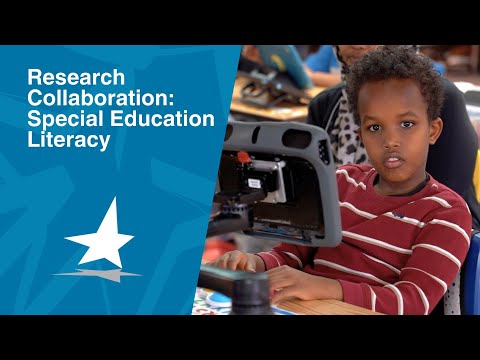
Laurie, a researcher at the University of North Carolina, and Bloomington-area teachers described a pilot called Building Bridges designed to help students with complex communication and learning needs learn to read and write.
The project provides short (about 7–8 minute) instructional modules meant to be used in professional learning communities so teachers can watch, discuss and adopt classroom strategies. "All kids have the right to literacy and have the right to meaningful experiences for the students who can't rely on speech alone to be heard and understood," Laurie said, arguing that literacy is essential to both education and life outcomes for non‑speaking students.
A teacher at Indian Mounds Elementary said they have used the videos and strategies in class and "definitely saw improvement throughout the year with the kids" and greater engagement as staff worked through the modules. Presenters said the project focuses on building supports for teachers—resources, reflection prompts and targeted materials—rather than producing a finished, one-size-fits-all curriculum.
Project leaders said Building Bridges has been used in several dozen schools and programs across the U.S.; local presenters said they plan to continue using the modules with teachers across the district next year. The presenters emphasized teacher-led reflection: after watching a module in a PLC, staff discuss what to try in class and identify areas where they want additional resources or coaching.
No formal votes or policy actions were recorded at this meeting; presenters framed the session as a demonstration of the research partnership and an invitation to extend classroom use of the modules in the coming school year.