Get Full Government Meeting Transcripts, Videos, & Alerts Forever!
Auburn adopts new sewer rates after hearing; protests fall short of majority
Summary
Following a public hearing and a consultant presentation on wastewater treatment and deferred maintenance, the council adopted new sewer service charges and connection fees; the clerk reported 12 written protests out of about 4,842 accounts, not enough to block the change.
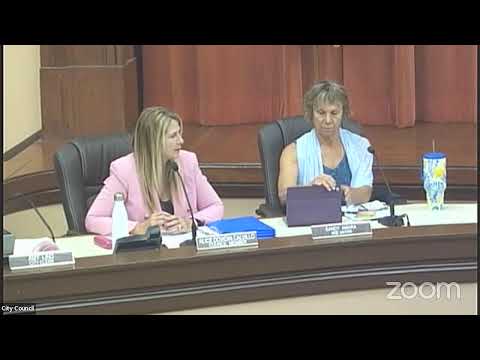
The Auburn City Council adopted a resolution on Aug. 12 establishing new sewer service charges and connection fees after a public hearing and presentation of a sewer rate study.
Consultant-supported analysis described infrastructure needs at the wastewater treatment plant and in the collection system, including significant deferred linear-infrastructure repairs. "We are going to need upgrades at our wastewater treatment plant and…
Already have an account? Log in
Subscribe to keep reading
Unlock the rest of this article — and every article on Citizen Portal.
- Unlimited articles
- AI-powered breakdowns of topics, speakers, decisions, and budgets
- Instant alerts when your location has a new meeting
- Follow topics and more locations
- 1,000 AI Insights / month, plus AI Chat