Get Full Government Meeting Transcripts, Videos, & Alerts Forever!
Get email alerts on the Energy Efficiency Windows topic
No spam. Unsubscribe anytime.
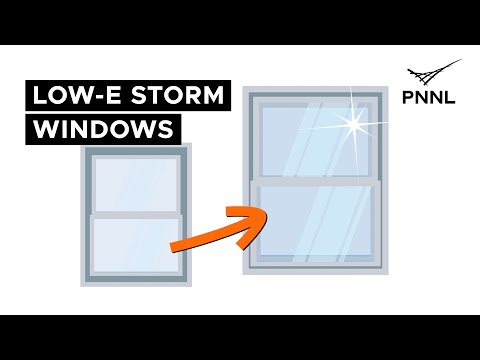
Presenter says low-e storm windows provide a cost-effective way to cut home energy loss
Summary
A presenter described how low-emissivity (low-e) storm windows can reduce heat loss and drafts, noting DOE support for adopting affordable retrofit options and advising homeowners on ratings, types and installation steps.
A presenter said low-emissivity (low-e) storm windows can be an affordable retrofit that reduces heat loss through windows — which account for nearly half of a new single-family home’s energy loss while comprising roughly 8% of its exterior surface.
The presenter, speaking in an informational session, said the U.S. Department of Energy supports research and programs to accelerate adoption of energy-efficient window retrofits, and that many existing weatherization programs can use low-e storm windows as a cost-effective measure to improve air sealing, thermal insulation, occupant comfort and envelope resilience.
Storm windows come in two basic forms, the presenter said: permanently mounted exterior panels and interior panels that fit inside window casings. Modern products are designed to blend with existing architecture, are available in fixed and operable models, and can include low-e coatings and improved seals that boost performance compared with older seasonal panels.
As of 2019, storm windows can receive an energy rating from the Attachments Energy Rating Council (AERC), and the presenter noted that the highest-performing products may carry an ENERGY STAR label, which helps homeowners and program managers select suitable options.
The presenter described how storm windows work: they create a dead-air space between the storm panel and the primary window to improve insulation and reduce infiltration; low-e coatings help by reflecting radiative heat inward during winter and outward during summer.
Installation can be do-it-yourself or done by a contractor. The presenter listed commonly required tools — tape measure, screwdriver, putty knife, caulk and a caulking gun — and emphasized inspecting the primary window first for cracked glass, rotted wood or water leaks before ordering a storm panel.
Accurate measurements matter, the presenter said, because most storm windows are custom ordered to match existing openings. For exterior panels, the presenter advised positioning the panel to check fit, determining orientation by the direction movable panels operate, centering the panel so screw holes land on solid wood, and caulking the top and sides while not caulking the bottom sill so weep holes can drain moisture.
For interior panels, the presenter explained that the panel is measured to fit inside the wood casing and is pressed against an existing stop or a blind stop installed for the purpose. Typical assembly steps include removing glass panels from the storm-frame, setting the frame into the casing, securing it with screws, then reinstalling the low-e glass with the coating facing outdoors.
The presenter closed by reiterating that proper measurement and attention to details such as weep holes and low-e orientation are critical to performance. Homeowners and program managers interested in weatherization retrofits were advised to consult vendor guidance and product ratings when selecting storm windows.