Get Full Government Meeting Transcripts, Videos, & Alerts Forever!
Get email alerts on the Human Resources topic
No spam. Unsubscribe anytime.
Rockwood HR reports hiring gains, low class sizes and open positions; board questions English 3 averages
Summary
HR presented a staffing and enrollment update: 115 teachers hired for 2025–26 (down from 130), 48% of new hires hold master’s degrees, average new-teacher salary about $54,005, and elementary class-size standards are being met districtwide; board members asked for clarification on English 3 averages and sectioning practices.
Kim Cohen, presenting the district’s CSIP human-resources update, outlined the HR leadership structure, hiring results and enrollment-related class-size averages for 2025–26.
Cohen reported the district hired 115 teachers this year compared with 130 the previous year and said the district retained more teachers (10 fewer departures), which contributed to the lower hiring need. She said 48% of newly hired teachers hold a master’s degree or higher and the average years of experience among new hires is 4.87 years; the average adjusted salary for new teachers was reported as $54,004.83.
Cohen outlined open positions and recruitment efforts: all transportation routes are covered though the district continues to recruit substitute drivers; maintenance has one open carpenter position; classified positions such as child nutrition, custodians and grounds remain priority hiring areas. She said some long-term substitutes are covering critical certified openings while replacements are recruited.
On class-size metrics, Cohen said 99% of elementary classrooms meet Rockwood’s own (stricter-than-MSIP) class-size standard. Middle-school core-class averages range about 18.07–18.38 students; high-school core classes are generally below MSIP limits, with example averages such as Algebra I at 20.24 districtwide and individual school ranges from about 17.22 to 22.56. Cohen noted English 3 averages and the number of sections vary by school because of total student counts and sectioning decisions.
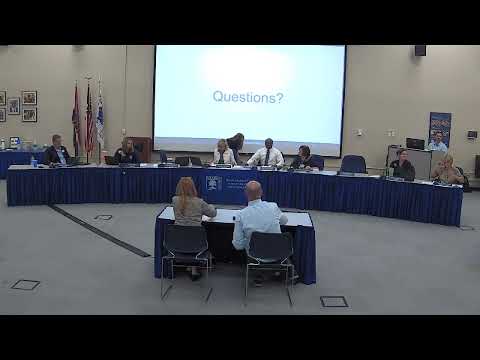
During board Q&A, members asked why English 3 averages appeared higher than Algebra I; Cohen explained the comparison was not cohort-identical and depends on how points/sections are allocated to each high school. A board member asked for clarification about Summit’s section counts and averages; Cohen and others explained a school with fewer students may need fewer sections, which can raise the per-class average compared with larger schools that run more sections to keep averages lower.
Board members praised the district’s lower turnover relative to state averages and observed that roughly 60% of hires are new teachers while about 40% are experienced hires from other districts. Cohen said the district will continue targeted recruiting at job fairs and community events.
The HR presentation was informational; no board action or formal vote associated with the staffing update was recorded in the transcript excerpt.