Get Full Government Meeting Transcripts, Videos, & Alerts Forever!
Get email alerts on the State Legislation topic
No spam. Unsubscribe anytime.
City attorney outlines Texas land‑use bills that could curb Mansfield's local control
Summary
City Attorney Victor Flores briefed the Planning and Zoning Commission on 2025 Texas legislation that would change notice and protest rules, narrow development‑moratorium procedures, require impact‑fee transparency and expand by‑right allowances for certain housing and mixed‑use development.
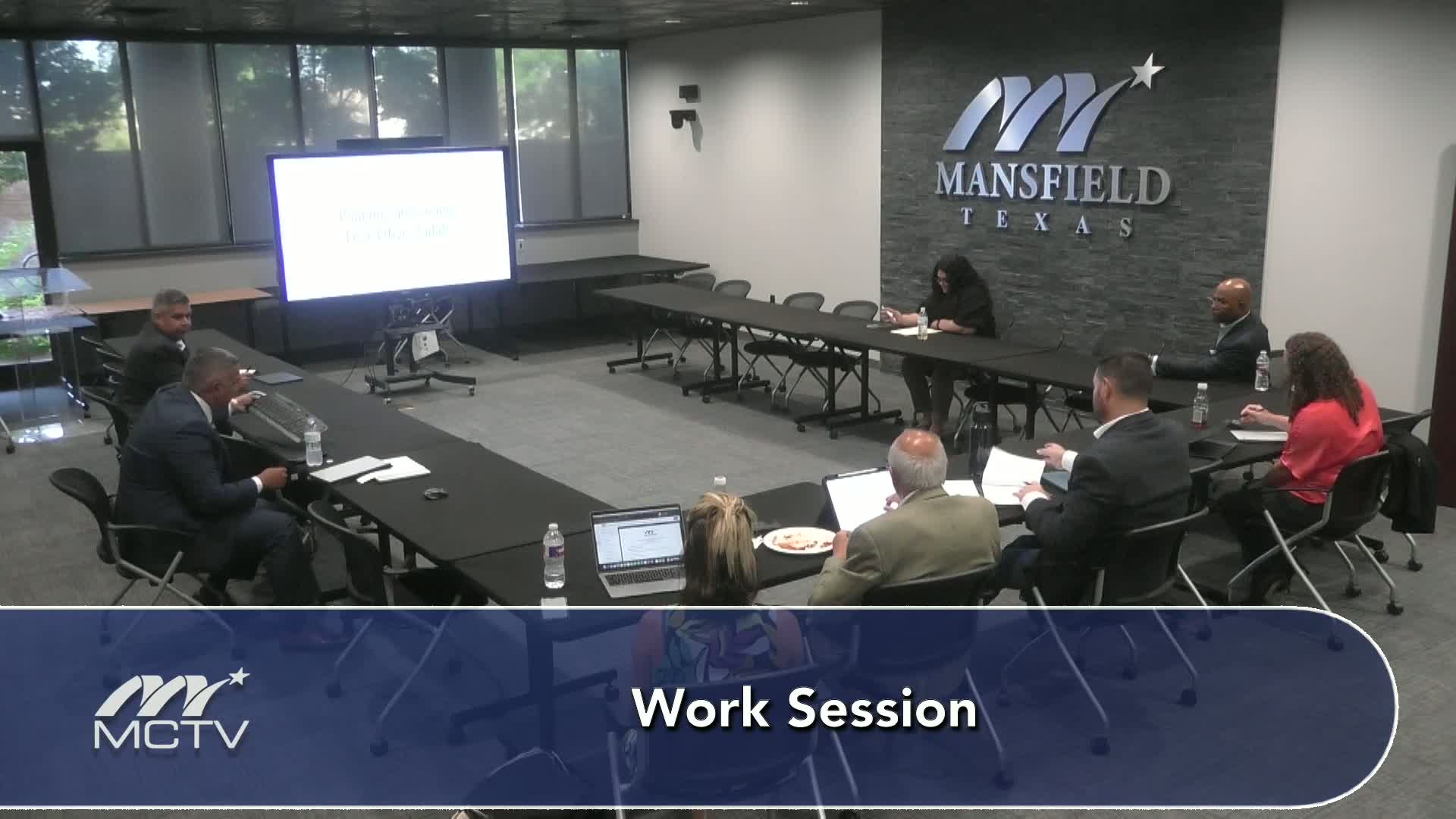
Victor Flores, the City of Mansfield attorney, told the Planning and Zoning Commission on July 7 that the 2025 Texas legislative session produced numerous bills that could materially change how cities regulate land use. "About 9,000 bills were filed," Flores said, and roughly a quarter of those typically touch cities; the commission heard a condensed list of measures relevant to Mansfield.
Key changes Flores flagged include a new requirement to post meeting agendas three full business days in advance under the Texas Open Meetings Act, a change he said will "push back the time staff has to actually prepare and post items." He also summarized a change to zoning petition thresholds that will reduce the supermajority requirement when a majority of people within the notice zone oppose a proposed zoning change; Flores said that provision takes effect Sept. 1.
Flores reviewed a range of other bills: a statutory definition of "no‑impact home‑based business" that limits cities' authority to regulate small, nonvisible businesses (while preserving nuisance, health and sanitation enforcement); prospective state rules for food‑truck regulation that the state would write and cities would likely implement; and new transparency requirements for land‑use assumptions and impact‑fee adoptions, including a 60‑day public posting and a two‑thirds council vote for adoption.
He said the session also included measures that would limit local building‑method requirements tied to energy standards, and bills aimed at increasing by‑right density and mixed‑use development in certain zoning categories (noting Senate Bill 15 and Senate Bill 80 among the density proposals). Flores warned those density bills could remove some local discretion on parking, traffic studies and drainage requirements in areas where a developer meets a dwelling‑unit threshold.
Flores also noted technical and governance changes: tighter, formalized procedures for development moratoriums (two public hearings with specific notice periods and a supermajority to adopt), modified composition rules that prevent the Planning and Zoning Commission from serving as the Capital Improvement Advisory Committee, and requirements to post PID (public improvement district) service plans on the city's website.
Commissioners asked procedural questions, including whether a governor's special session might revive bills; Flores said only measures germane to a special session’s declared purpose could be considered, though advocates sometimes find creative ways to make items relevant. He offered to keep the commission updated and urged staff to watch implications for Mansfield as growth makes some of these issues more likely to affect the city.
The briefing concluded with Flores offering his contact information and a reminder that staff and the city's legal team will continue to track pending and enacted legislation.