Get Full Government Meeting Transcripts, Videos, & Alerts Forever!
Get email alerts on the Transportation topic
No spam. Unsubscribe anytime.
Carbon County commissioners say train station will not be sold, weigh parking and pedestrian changes in Jim Thorpe
Summary
Commissioners clarified that Carbon County owns the Jim Thorpe train station and rejected sale rumors, while discussing pedestrian flow, parking capacity and a grant-funded study that could lead to PennDOT permits and long-term changes to downtown circulation.
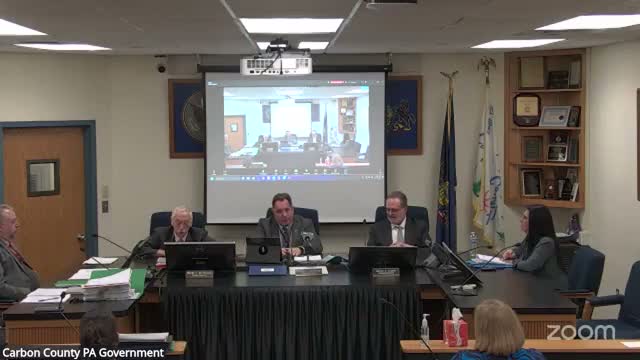
Carbon County commissioners on Feb. 19 said the county will not sell the Jim Thorpe train station and discussed a multi-year, interagency effort to improve pedestrian flow and parking in the borough.
At the meeting a commissioner said plainly, "The train station is owned by Carbon County. We are not selling the train station," responding to circulating rumors. The discussion focused on a pending grant application, right-of-way and permit questions with PennDOT, and a plan to study pedestrian and vehicular circulation around the station and downtown.
Why it matters: tourism and train traffic bring large weekend crowds to Jim Thorpe; commissioners said parking revenue from tourism has helped offset county budget shortfalls in recent years. Staff and commissioners stressed the need to balance visitor access with residents’ quality of life and pedestrian safety.
Speakers discussed options including removing certain roadside parking to improve traffic flow, conducting PennDOT-required traffic or TIP studies, and the costs and practical challenges of building additional parking (including an estimated construction cost discussed in the meeting of roughly $20,000 per parking space as a planning-level figure).
Commissioners also noted short-term operational fixes being explored — for example, temporary closures or reconfiguration during busy weekends — but said any physical changes would require permits, easements or traffic studies and could take a year or more to implement.
Next steps: staff will continue contracting and permitting discussions with PennDOT and regional partners, and the county will pursue the grant-related contract and any required traffic studies to inform possible design and operational changes.