Get Full Government Meeting Transcripts, Videos, & Alerts Forever!
Get email alerts on the K12 Budget topic
No spam. Unsubscribe anytime.
Wicomico County Public Schools present tight FY27 budget as enrollment falls and costs rise
Summary
Dr. Reger presented a proposed FY2027 budget that shows a modest overall revenue increase but an estimated multimillion‑dollar shortfall driven by an enrollment decline, lower compensatory‑education funding under the state Blueprint, a projected 9.2% rise in health‑insurance costs (about $2.8M), and a state‑mandated $60,000 starting salary for teachers.
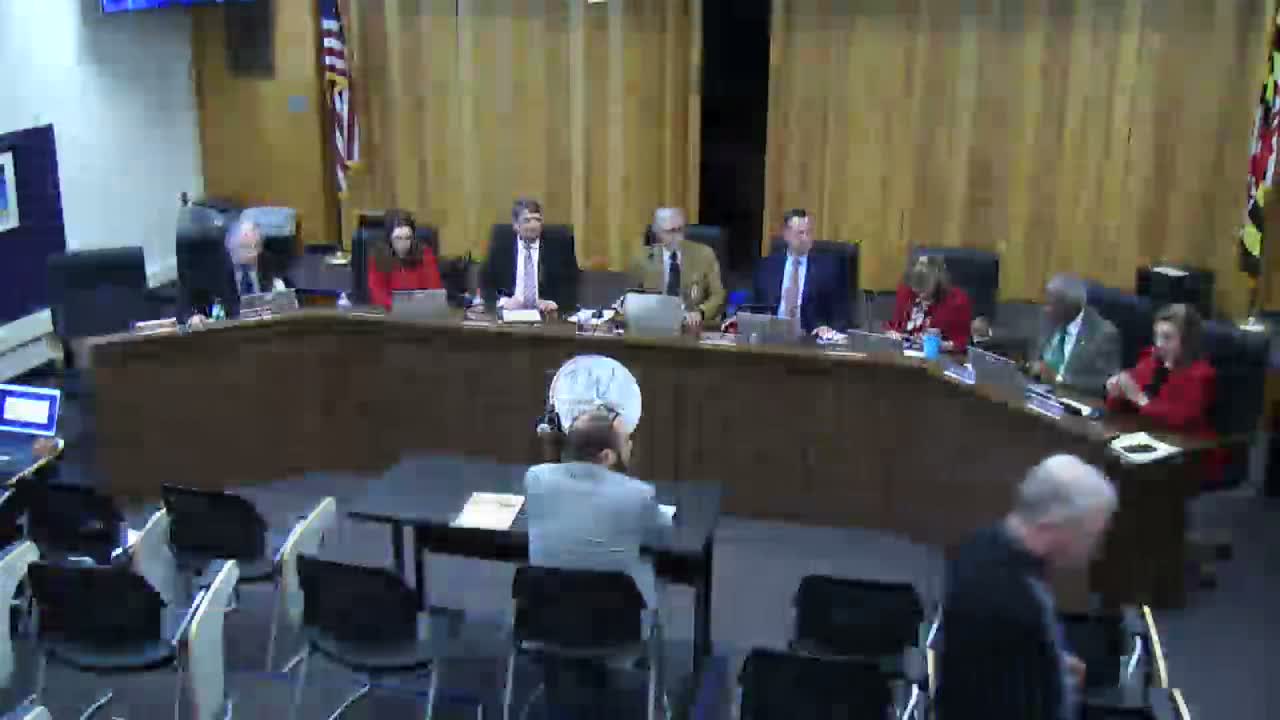
Dr. Reger outlined a proposed fiscal 2027 budget for Wicomico County Public Schools on the district’s March work session, saying the draft includes a roughly $3.75 million increase in revenue but still leaves a structural gap the board must close before final adoption.
The proposal anticipates modest overall revenue growth — about 1.3% year over year — but faces several headwinds, Dr. Reger said. Enrollment declined on the district’s Sept. 30 count by roughly 181 students (another slide cited a 178‑student loss for the K–12 state‑aid calculation), which reduces per‑pupil state and county funding and lowers the county maintenance‑of‑effort allocation by an estimated $600,000.
Why it matters: lower per‑pupil add‑ons for multilingual and compensatory‑education students and a cut in the compensatory‑education multiplier under Maryland’s Blueprint funding law will hit this district relatively hard, Dr. Reger said, because the county serves a larger share of students who qualify for those streams than many other districts.
Staff also flagged sharply rising benefit and salary costs. “We’re looking at about, right now, about a 9.2% increase in health insurance, which equates about $2,800,000,” Dr. Reger said, citing the district’s estimates. She added total district health‑care spending is near $30 million. The draft also reflects a state requirement that starting teacher pay be $60,000 by July 1; Dr. Reger said the district’s current starting salary is $57,000 and that raising that step across the scale would add roughly $7.5 million in payroll cost if applied as an equivalent percentage districtwide, while the district’s proposed revenue increase is only about $3.7 million.
Comptroller Jesse Reed said the district’s stabilization fund balance was a little over $7 million but that a projected negative health‑insurance settlement this year could reduce the usable balance to about $5 million, with roughly $1 million remaining beyond a $4 million target cushion.
Board members pressed staff for more granular line‑item savings and asked whether the district will seek bids to reduce benefit costs. Dr. Reger said the budget book will show unfunded requests and a section identifying cost realignments and manager‑identified savings; staff also said they will pursue an RFP for health‑care services to explore potential savings. “We’re going to have to be a little more creative,” Dr. Reger said of negotiations and tradeoffs the board will face.
Dr. Reger emphasized that many of the increases are not new program requests but inflationary pressures — health insurance, retirement contributions for non‑certificated staff (Aetna retirement), software maintenance and facilities upkeep — and noted some state streams (for collaborative time and pre‑K) increased while others declined.
What’s next: staff said the proposed budget will be presented at the board’s next meeting, the county executive and county council will hold hearings on their budgets, and the board will adopt a final district budget in June after the county’s allocation is finalized. A public presentation of the budget was scheduled for 5 p.m. the same day.