Get Full Government Meeting Transcripts, Videos, & Alerts Forever!
Get email alerts on the Law Enforcement Policy topic
No spam. Unsubscribe anytime.
Committee unanimously backs bill to clarify law enforcement quota policy
Summary
The committee gave a favorable recommendation to SB 67, legislation revising state policy on law enforcement quotas and preserving metrics for citizen interactions; sponsor Senator Wyler described the bill as consensus legislation and members offered anecdotal support before a unanimous voice vote.
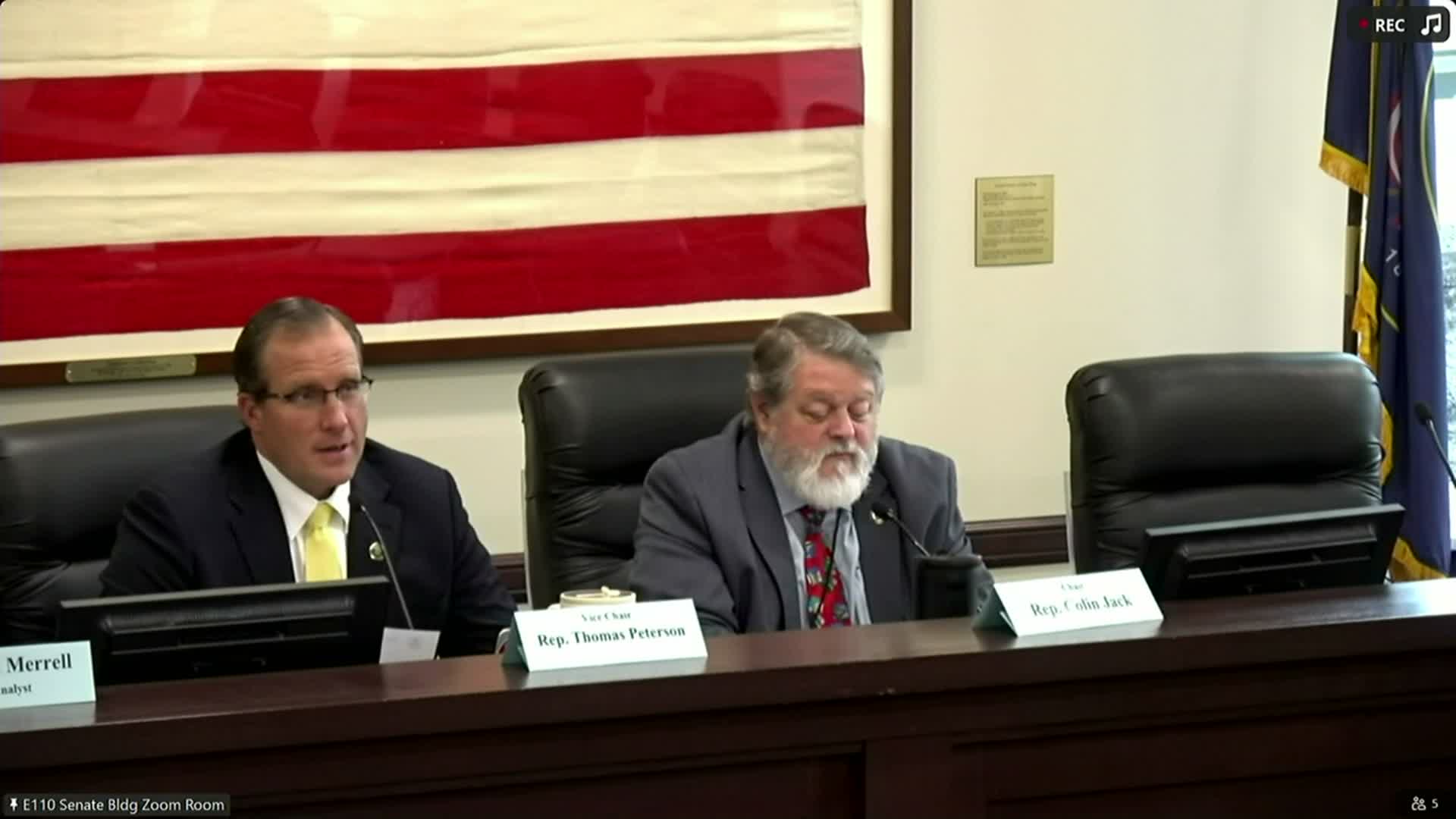
The House Public Utilities and Energy Standing Committee on March 2 voted unanimously to give a favorable recommendation to SB 67, a bill that amends the state's approach to law enforcement quotas.
Senator Wyler, sponsor of SB 67, told the committee the state adopted a 2018 policy against quotas but continued to receive complaints that quota-like practices persisted. He described SB 67 as a consensus bill that allows departments to track citizen interactions as metrics while removing quota-style incentives. "We want them to write tickets when they're justified. We don't want them to say, 'I've got an hour left on this shift, so I gotta find somebody to give a ticket to,'" Wyler said.
Wyler said evidence that quotas persisted included officers quitting and complaints to legislators and the media; he described the bill as balancing accountability and officer retention. Representative Chu shared a personal anecdote about a childhood traffic stop and said some corrective interactions can be effective. Representative Albrecht asked a lighthearted procedural question about how the sponsor settled a past ticket; Wyler said he typically pays tickets.
A committee member moved to pass SB 67 with a favorable recommendation; discussion was limited, sponsors waived extended remarks, and the committee approved the motion by voice vote with no recorded opposition.
The hearing record shows the bill received a favorable committee recommendation and will advance per legislative procedure.