
Committee advances overhaul of state employee benefits after lengthy public testimony; bill passes 7–3
Get AI-powered insights, summaries, and transcripts
Subscribe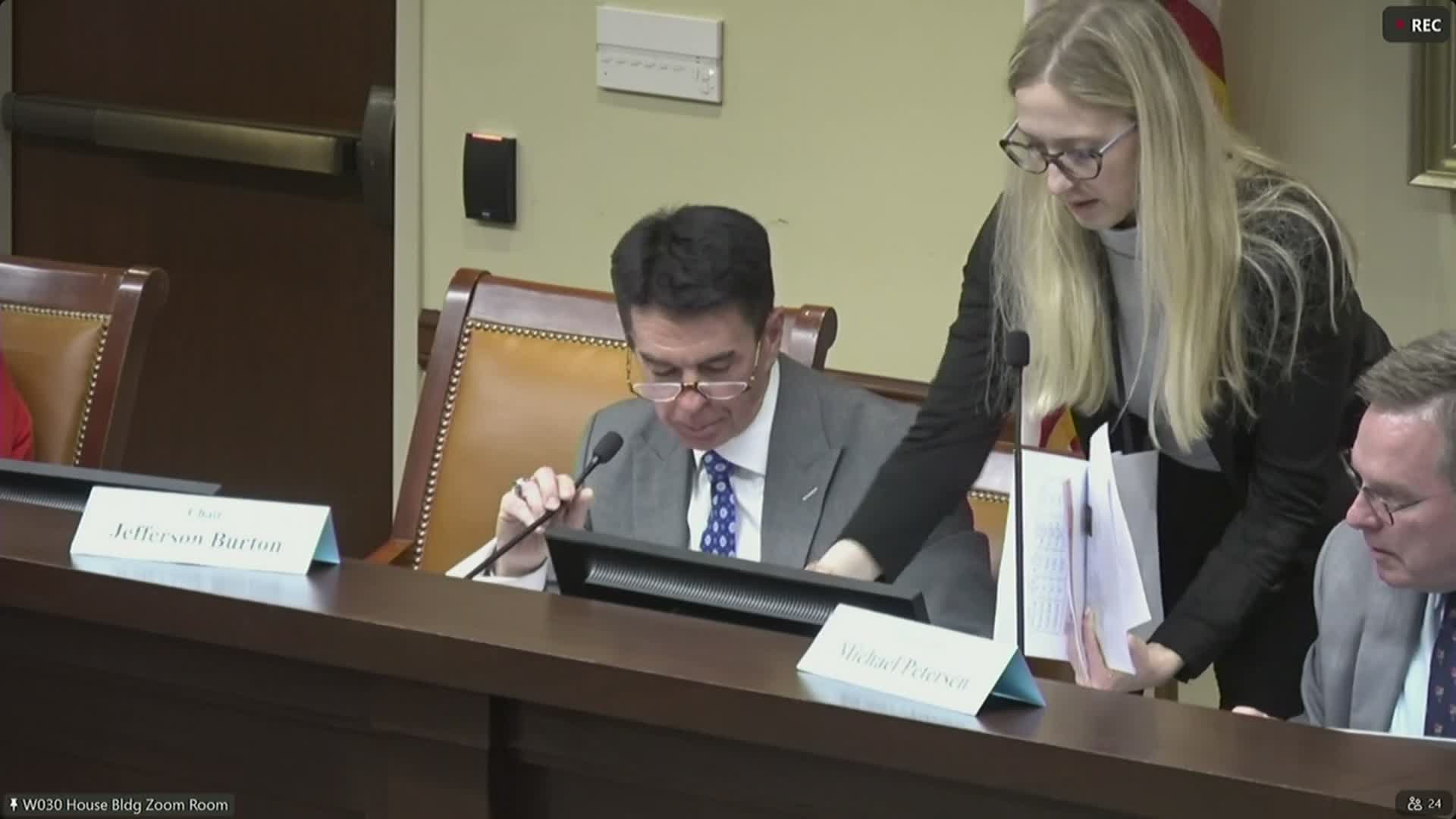
Summary
SB229, a second substitute to restructure state employee benefits — consolidating sick and annual leave into PTO, increasing Tier‑2 401(k) match, instituting employer‑paid short‑term disability and raising the compensable leave cap — passed out of committee 7–3 after extensive testimony both for and against the package.
After extended testimony from agency HR staff, union representatives and dozens of state employees, the Government Operations Committee voted 7–3 on March 3 to advance Senate Bill 229, a second substitute that restructures several elements of state employee compensation and leave.
Senator Fillmore (presenting) described the package as a "total rewards" enhancement intended to make state employment more competitive. The proposal would consolidate sick and annual leave into a unified PTO bank with a higher compensable‑leave cap, increase the Tier‑2 401(k) match to a percent‑for‑percent structure up to 2% employer participation (on a 50% basis), accelerate accrual schedules for some employees, and provide state‑paid short‑term disability and accidental death and dismemberment coverage.
John Baron, chief HR officer for the executive branch, told the committee the changes followed a multi‑year engagement with employees (11,000 survey responses and hundreds of interviews) and that the new design would offer a net monetary gain for most employees because previously banked "sick leave" had little payout value while the restructured compensable leave would have monetary value and is payable at termination per the sponsor. Baron described a 14‑day waiting period for short‑term disability that supplements pay up to 60 percent and said long‑term disability remains in place after three months.
Public comment stretched for more than an hour. Supporters — including some state employees and recruitment advocates — said the PTO model and higher 401(k) match would improve hiring and retention and give more usable flexibility to workers who currently lose unused sick leave. Opponents, particularly the Utah Public Employees Association and several long‑tenured or chronically ill employees, said the change reduces annual accrual by two hours per pay period (about 52 hours per year) and undermines protections for employees who need intermittent sick time. Union representatives called the change a net loss for some workers and urged defeat; multiple employees testified that the perceived lost hours were worth thousands of dollars over a career and that payout mechanics at retirement needed statutory clarity.
Sponsor and HRM repeatedly said employees would not lose banked hours already earned and that PTO banks would be paid out at retirement; they emphasized built‑in safeguards including agency leave banks and the short‑term disability benefit for catastrophic cases. The Utah Public Employees Association countered that the fiscal note (approximately $12–13 million) represents resources that could have gone to direct compensation increases and that the trade‑offs are not acceptable to many employees.
After debate the committee voted 7–3 in favor of SB229 and then adjourned.
What happens next: The bill now moves to the next floor stage. If enacted, agencies will need to implement new accrual schedules, enroll employees in the state‑paid short‑term disability plan, and execute benefit communications to clarify payout and use rules.