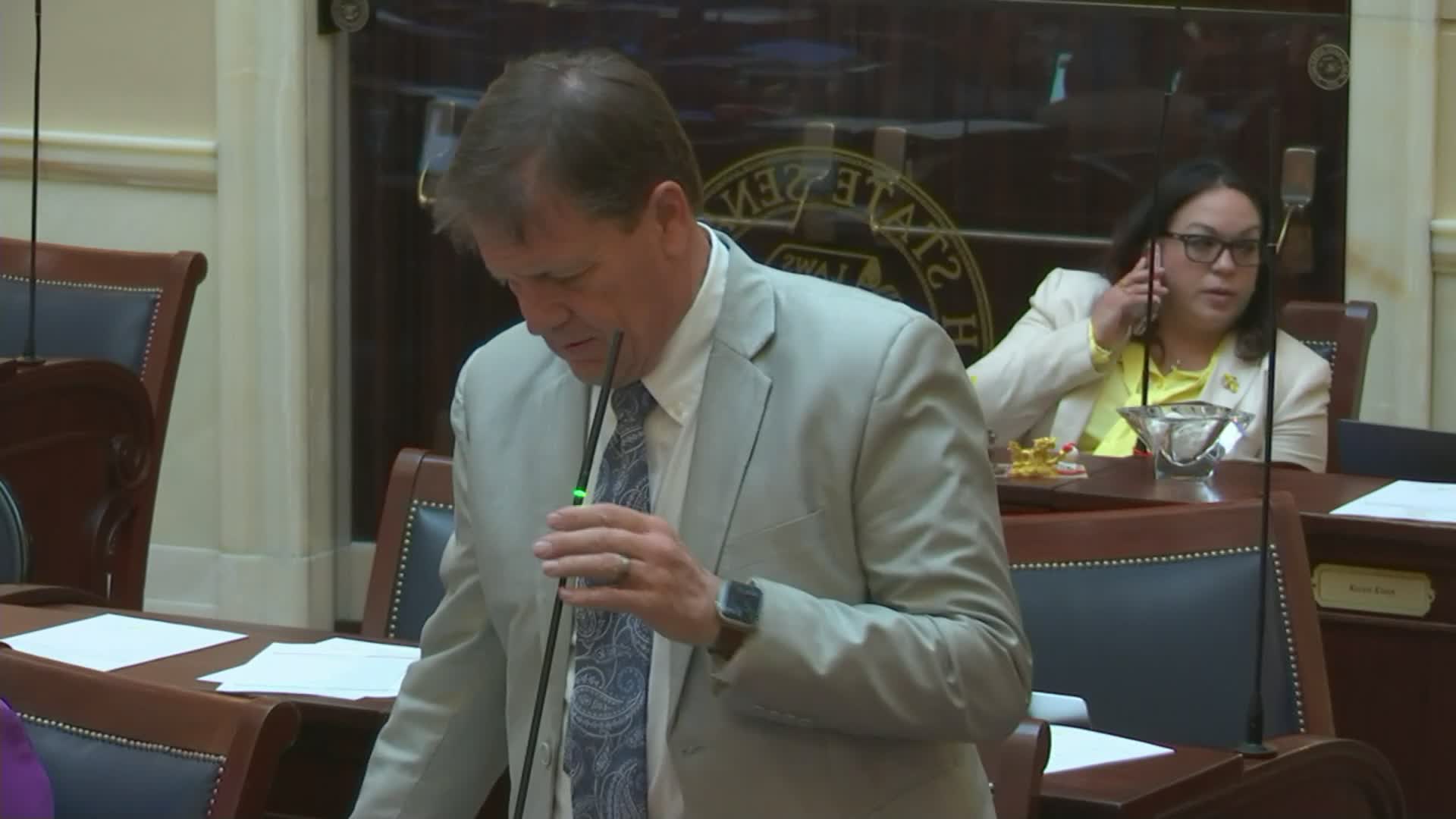
Senate passes S.B. 174 on religious exercise and conscience protections after hours of debate
Loading...
Summary
The Utah Senate passed fourth substitute S.B. 174, a bill expanding conscience and religious-exercise protections in certain professional contexts, 22–7 after extended debate over licensing, grants and safeguards. Sponsors and opponents clashed over potential effects on health care, grants and interstate reciprocity.
The Utah Senate passed fourth substitute S.B. 174 on March 2, 2026, approving statutory conscience and religious-exercise protections for certain procedures and professional settings by a 22–7 roll-call vote. Senator Stratton, the bill’s sponsor, moved final passage after extended floor debate and procedural votes.
The bill’s sponsor, Senator Stratton, said the measure places upfront safeguards and procedural requirements so that “we have health care provided that everyone has an opportunity to get the cares that they need,” and described case-by-case guardrails, exemptions for emergency care and a sunset-style review of implementation (as presented on the floor).
Opponents questioned whether the statute’s adverse-action limitations could undermine professional licensing compacts and federal grant eligibility. Senator Riebe asked whether preventing adverse actions “would erode our ability to provide health care” and whether state-level licensing language could compromise interstate reciprocity; Stratton responded that guardrails are intended to preserve access and not to eliminate licensing standards.
Senator Plumb, speaking from a medical perspective, voiced deep discomfort about expanding conscience-based exemptions in clinical settings and worried about potential erosion of patient care standards in practice. Senator Brammer countered that the bill accommodates religious exercise in narrower examples such as dietary accommodation and objecting to performing specific procedures, and framed the bill as protecting free exercise principles.
Floor action included a formal call of the Senate before final passage. The clerk read the roll-call; President (floor) announced the tally: 22 ayes, 7 nays, and the bill will be transmitted to the House for further consideration.
The Senate concluded business and adjourned until Tuesday, March 3, at 9 a.m.