Get Full Government Meeting Transcripts, Videos, & Alerts Forever!
Get email alerts on the Alaska Forests And Budget Cuts topic
No spam. Unsubscribe anytime.
Chair warns budget cuts and roadless restrictions threaten Alaska forest jobs, tourism and tribal co‑stewardship
Summary
The subcommittee chair raised concerns that FY26 budget cuts to state/private forestry accounts and volunteer fire grants, combined with constraints from the roadless rule, threaten timber and mineral development, local economies in Alaska and Forest Service capacity to work with tribes and states.
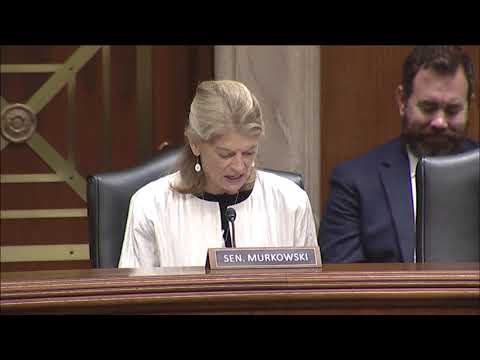
During the Senate Appropriations Subcommittee hearing, the chair focused on how the president's FY26 budget and existing rules could affect Alaska's forests, timber industry and local economies.
The chair thanked the administration for attention to Alaska and said the state "hosts 2 of 2 national forests" but noted the Chugach and Tongass have very low allowable sale quantities for timber. He said increased timber and mineral development in Alaska depends on workforce capacity and changes to restrictions such as the roadless rule.
"Without some level of flexibility within the roadless rule, it's almost impossible to realize that," the chair said, arguing that state-specific executive orders and a timber executive order can help but will not substitute for staffing and program capacity.
The chair also flagged proposed eliminations in the Forest Service budget, calling out the proposed elimination of state, private and local forestry accounts and forest rangeland research accounts, as well as cuts to state and volunteer fire capacity grants. He said those grants often support initial responders to fires on federal lands and that removing them "runs counter to the committee's continued push to increase our wildfire resilience."
On recreation and tourism, the chair cited Mendenhall Glacier as "one of our most popular tourist attractions," reporting it received over 1,000,000 visitors in 2023 and more than 25,000 visitors daily during the summer, and tied those figures to local economic reliance in Juneau.
He also noted a co‑stewardship agreement with the Tlingit and Haida tribes at Mendenhall and expressed concern about low Forest Service employee morale despite pride in their work.
The chair said he looks forward to partnership with the service and further comments from the Forest Service chief; no votes or formal committee actions occurred in the excerpt.