Get Full Government Meeting Transcripts, Videos, & Alerts Forever!
Get email alerts on the Apprenticeship Wraparound Services topic
No spam. Unsubscribe anytime.
Senators and apprentices argue 'wraparound' services block completion of rural apprenticeship programs
Summary
Senators and witnesses at a committee hearing said a shortage of wraparound services—child care, elder care, housing and education—is a major barrier to completing apprenticeships in rural states; witnesses pointed to Job Corps, WIOA integration and state apprenticeship agencies as possible federal supports.
Senators and apprenticeship program representatives told a Senate hearing that "wraparound" supports—child care, elder care, education and housing—are keeping trainees in very rural states from completing apprenticeship programs and entering the skilled trades.
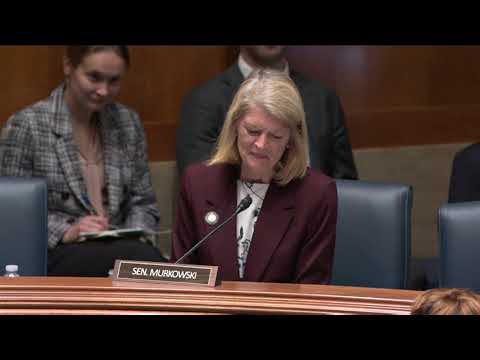
Senator Murkowski opened the exchange by describing outreach to unions and apprenticeship programs in Alaska and saying a recurring theme was "a shortage of what we will call wrap around services" including "childcare... I need to take care of an aging parent... education... housing," which she said prevent apprentices from finishing training.
Panelists offered several federal-policy and program responses. Downey pointed to pre-apprenticeship pipelines and Job Corps as recruitment channels: "The IOOE runs 10 Job Corps centers in The United States. We had 300 graduates last year, and of those 300, we put 40% of those into our apprenticeship programs," he said, urging expansion of such pathways into the trades.
Laney said other rural states face similar problems and singled out difficulty integrating registered apprenticeship with existing workforce funds: "Registered apprenticeship is the only program that automatically qualifies for, WIOA... There's money there. It's too difficult for the employers to access," he said, advocating better alignment so employers can use available supports for wraparound services.
A union representative, Booger, described employer and union practices that reduce barriers, including use of the child-care tax credit, union-provided paid maternity leave and collective bargaining to define wages and benefits: "We, as a union, have... embraced and embarked upon providing maternity leave policy..." he said, and recommended collective bargaining as a pathway to equitable pay and predictable benefits.
On workforce flexibility, Murkowski asked how training programs can produce workers able to move between oil, gas and renewable-energy projects. Booger described a joint union training campus in Fairbanks that teaches broad construction skills and shorter targeted classes so workers "can go back to that school if they need a very specific 20, 30, 40 hour class," enabling movement across industries.
Several witnesses supported a "state apprenticeship agency" model that would allow states to tailor program administration to local needs. One witness said the Alaska version provides local control and flexibility to address the state's specific barriers to registered apprenticeship.
The hearing recorded discussion and proposals but no formal votes or committee decisions on federal policy changes during this segment. The chair then recognized Senator Blunt Rochester to begin the next portion of the hearing.